Music as meaningful sound
by Christopher Witulski
This module explores how music gains significance by connecting sound to memory, identity, authenticity, and history, emphasizing how our relationships to sound shape personal experiences and cultural narratives.
Assignment / Module
At some level, we can consider our identities to be a compilation of our stories, the ones we tell ourselves and the ones that we share with the world. Music gains meaning through associations with these stories, but it can also lend depth to those stories themselves.
This section of our course is focused on memory, but I define it pretty broadly. We’re not just talking about personal memories. We tell ourselves stories about our own history. These turn into heritage, tradition, even history itself. They play into our understanding of authenticity, too, and impact our opinions about right and wrong, appropriate and inappropriate, good and bad.
We’ll begin at the beginning. Well, maybe not all the way back at the beginning, but our first reading explores memory, authenticity, and values as they play out in our telling of history. In “Ancient Mesopotamian Music, the Politics of Reconstruction, and Extreme Early Music” (link below), Samuel Dorf looks at the destruction of relics in Iraq and Syria under ISIS and during the American invasion of Baghdad and the various people and organizations who worked to reconstruct them. His essay is about why people do that, why do people stress these material things: monuments, instruments, and, in this case, sounds?
As you read, pay close attention to some of these questions:
- If and how are the reconstructed things representing the original? Since they’re not the same—they are reconstructions after all—then what do they stand for?
- Second, what are the goals of the various people who are involved in these projects? It’s not just memory or preservation. What else are they trying to do?
- We often throw the word “authentic” around as something sturdy, something provable that we can rely on. How does this essay push back against that idea?
- Finally, in what way are these projects engaging with history? How are they stories about old things? How are they stories about today or about the future?
Required reading and listening
The reading is not an easy one, so start early and take your time. Put your effort into understanding the big ideas, remember that you will need to incorporate them into discussion posts to get full credit. Here are the links:
“Ancient Mesopotamian Music, the Politics of Reconstruction, and Extreme Early Music”
If this doesn’t work, you can find the book that it is from here and use the table of contents to find the chapter.
The reading focuses on a composition by Stef Conner. The album is on Spotify, Apple Music, and probably plenty of other streaming services. Be sure to give it a listen to understand some of the main ideas, especially regarding what is new, what’s from old sources, and so on.
Assignment: Sound walk
Much of our work this semester is about how music gains meaning in our lives. The things that spur memories or emotions, however, are not as straightforward as we think. For example, when we talk about music, we might also think about other sounds. Sometimes music plays a different role, as a background sound.
Take a shopping center: when you walk into a store from the hot summer sun, a number of things strike us that make this feel like we’re in a store. We might sense the air conditioning or the feel of moving from sidewalk to tile. The whoosh of the automatic doors reveal the bright lights and bustling inside. Nowadays, with malls in decline, the feeling might be different, but still striking. Walk into a mall instead of a Target and it may be dimly lit and silent, still quite different from the street noise and breeze of the outdoors.
Sounds play a big role here: they hold the lively energy of a busy store during the holiday season. Different stores use different music to get different people to do different things (stay a while, hustle through). We might immediately associate some of these sounds with meaning, though we may not do so consciously.
Directions
For this discussion, you will do a “sound walk.” I ask you to take some time out of your everyday life to consider the sounds around you actively or consciously. These are familiar, but we often experience them unconsciously. Take a walk through at least three different places that you normally go. Make them really different (a gym, your neighborhood, and your place of study or work, for example) and bring a notebook. Jot down what you hear. Everything! Music, sound, or music that is just background sound. What does your place of worship, if you attend one, sound like, in detail? What about the library? A different library? A school? A pre-school? A coffee shop? A different coffee shop? You get the idea.
Pick three places, take notes, and write about the sounds you hear with—and this is important—how those sounds are meaningful. How do they make the place work or not work? What’s welcome or unwelcome? Why? What do these sounds evoke for you? How do they relate to why you bother going to this place at all? Are there memories involved? Vague feelings? Do you sense being welcome or unwelcome?
An important note
All of these questions are intended as prompts. You don’t have to answer every one, but if all of your answers are “no,” or “they don’t mean anything,” then you may want to consider some other places for your walks. Remember to link your work to the readings! This may feel tricky, but consider the role of memory, imagination, and identity as you think about the sounds in your life. Without clear references to the readings, you won’t be able to get full credit. Review the discussion grading rubrics for details. Please reach out with any questions and I look forward to hearing more about what your life sounds like!
Related materials
Christopher Witulski
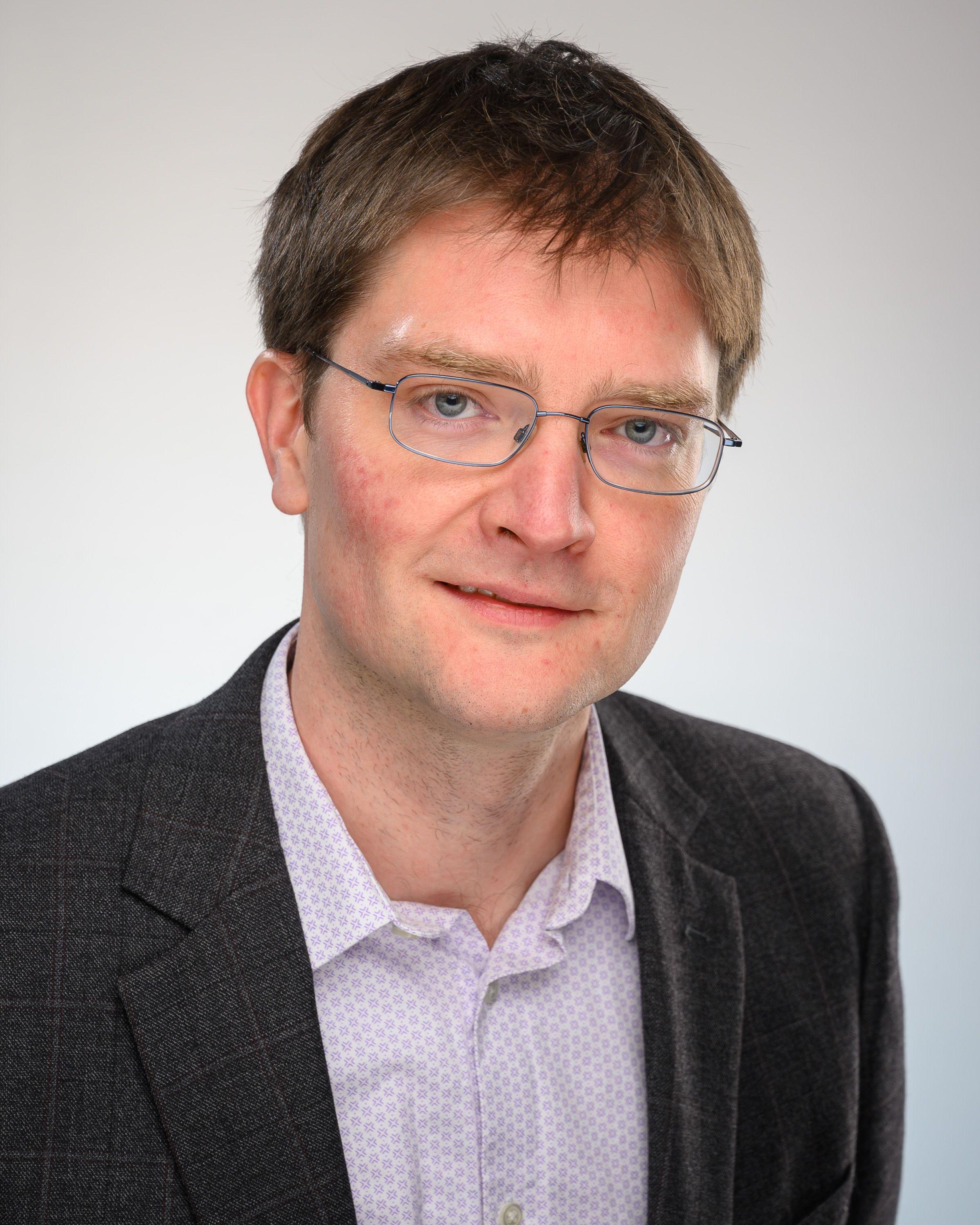
Associate Teaching Professor | Bowling Green State UniversityChristopher Witulski is the author of The Gnawa Lions (2018) and Focus: Music and Religion of Morocco (2019), two books focusing on changes in sacred performance practices in contemporary Morocco. He is also an active performer of Arabic and American old time music on violin, ‘ud, and banjo.