
Pickin’ In Petticoats: Lotta Crabtree and Women In the Elevation of the Banjo
Michael Wright
Pickin’ In Petticoats: Lotta Crabtree and Women In the Elevation of the Banjo
by Michael Wright
This chapter explores early 20th century efforts to distance the banjo from its African American roots to meet the demands of a rising market of women players, highlighting actress Lotta Crabtree's influential role in reshaping the instrument's identity.
Gender / Identity / Musical Instruments / Popular Music / Race / North AmericaDownload
Part One
This chapter has multiple parts
Go toBlackface Minstrelsy and Lotta Crabtree
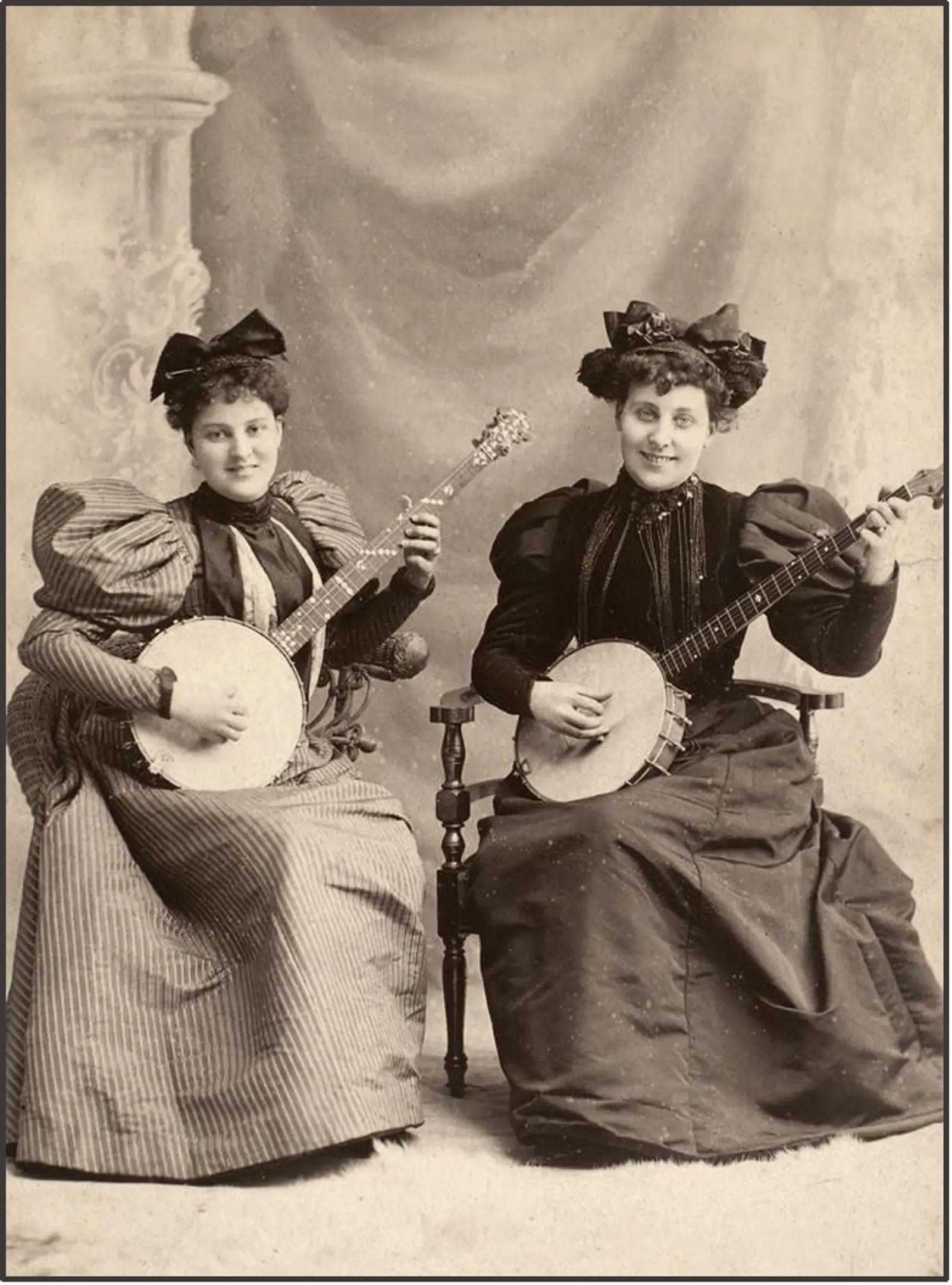
Figure 1: Typical image of many of the women who took up playing banjo for the first time in the later decades of the nineteenth century. (Click for a full view of each image, as some are cropped to fit. All figures are in the public domain.)
One of the more fascinating, yet little discussed, chapters in banjo history involves the appearance of a large number of photographic cabinet-card images of white women playing the instruments beginning in the 1870s (Figure 1). It is easy to dismiss these charming photos as curious novelties and overlook the significant fact that these are the first pictures of women playing the banjo. Indeed, before these images appeared, playing banjos—which are descended from African gourd lutes—had been the exclusive domain of men, from West African griots (hereditary musicians) to New World slaves to “blackface minstrels.”
Blackface Minstrelsy
“Blackface minstrelsy” was the name given to nineteenth-century musical comedy acts in which white, usually male entertainersSee footnote professed to be “delineating” or portraying African-Americans by wearing black make-up (“blackface”) in flamboyant costumes and speaking in “Negro dialect.” They performed (often vulgar) jokes, songs, dances, and comic skits, their comedy heavily reliant upon conundrums (a riddle whose answer involves a pun) and malapropisms (a word that is similar in sound but different in meaning). Men cross-dressed to play Black women or “wenches.” These “delineations” were based on white stereotypes of both country and urban African-Americans (Figure 2). Core instrumentation included banjo, fiddle, tambourine, and bones (castanets) (Figure 3). These acts developed into full-blown variety shows by the 1840s. Early blackface minstrelsy was often performed in concert saloons and popular theaters that sold alcoholic beverages, venues that “respectable” women did not attend. The initial audiences for minstrelsy were largely working-class men on the Western frontier and in Northeastern cities, although as the form became more popular the audiences widened considerably.
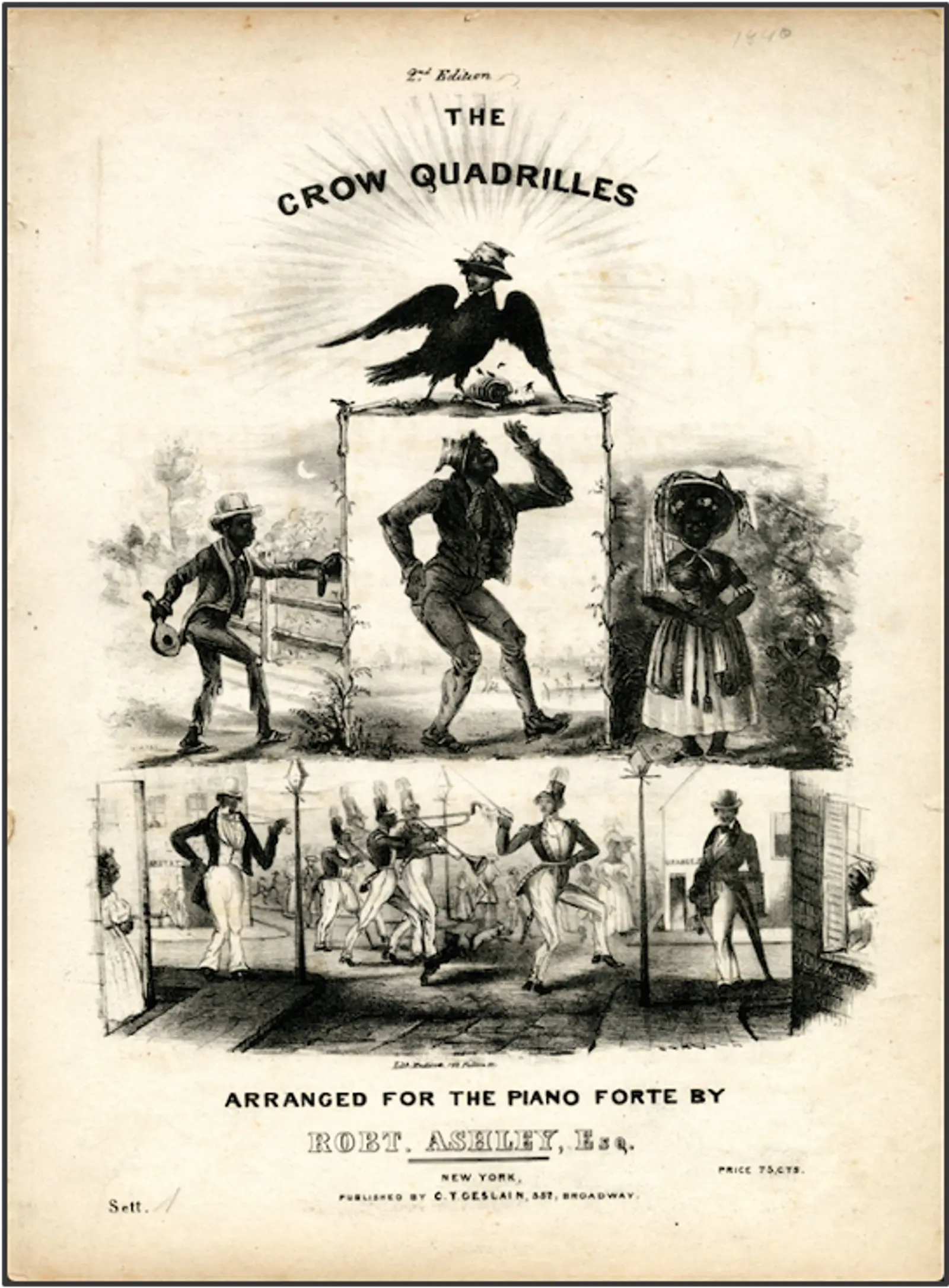
Figure 2: Nineteenth-century sheet music showing blackface minstrel acts set in the country (top) and in the city (bottom).
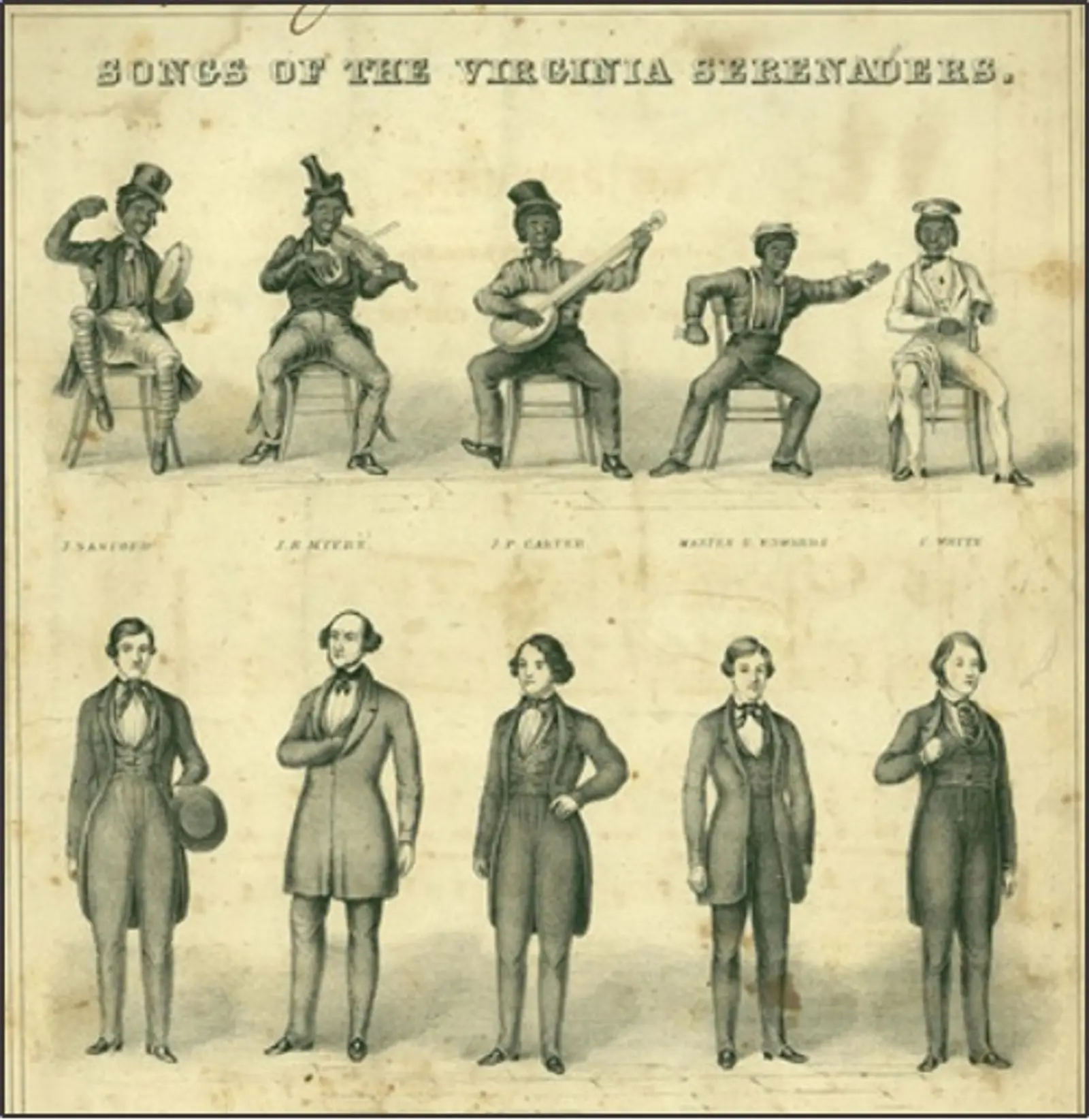
Figure 3: Promotional material for The Virginia Serenaders showing the essential instruments of the blackface minstrel show, whose popularity help spread demand for banjos.
The explanation for why women began playing banjos at the end of the nineteenth century involves a complex matrix of “star power,” provided by an unconventional red-headed actress, dancer, and banjoist from California, interacting with a movement on the part of primarily white banjo players and manufacturers to “elevate” the banjo from its African and blackface minstrel past. This was an effort to make the banjo more acceptable to a middle-class audience. These developments all played out against a background of profound social and political changes that were radically reshaping the traditional roles and opportunities for women in America (Figure 4).
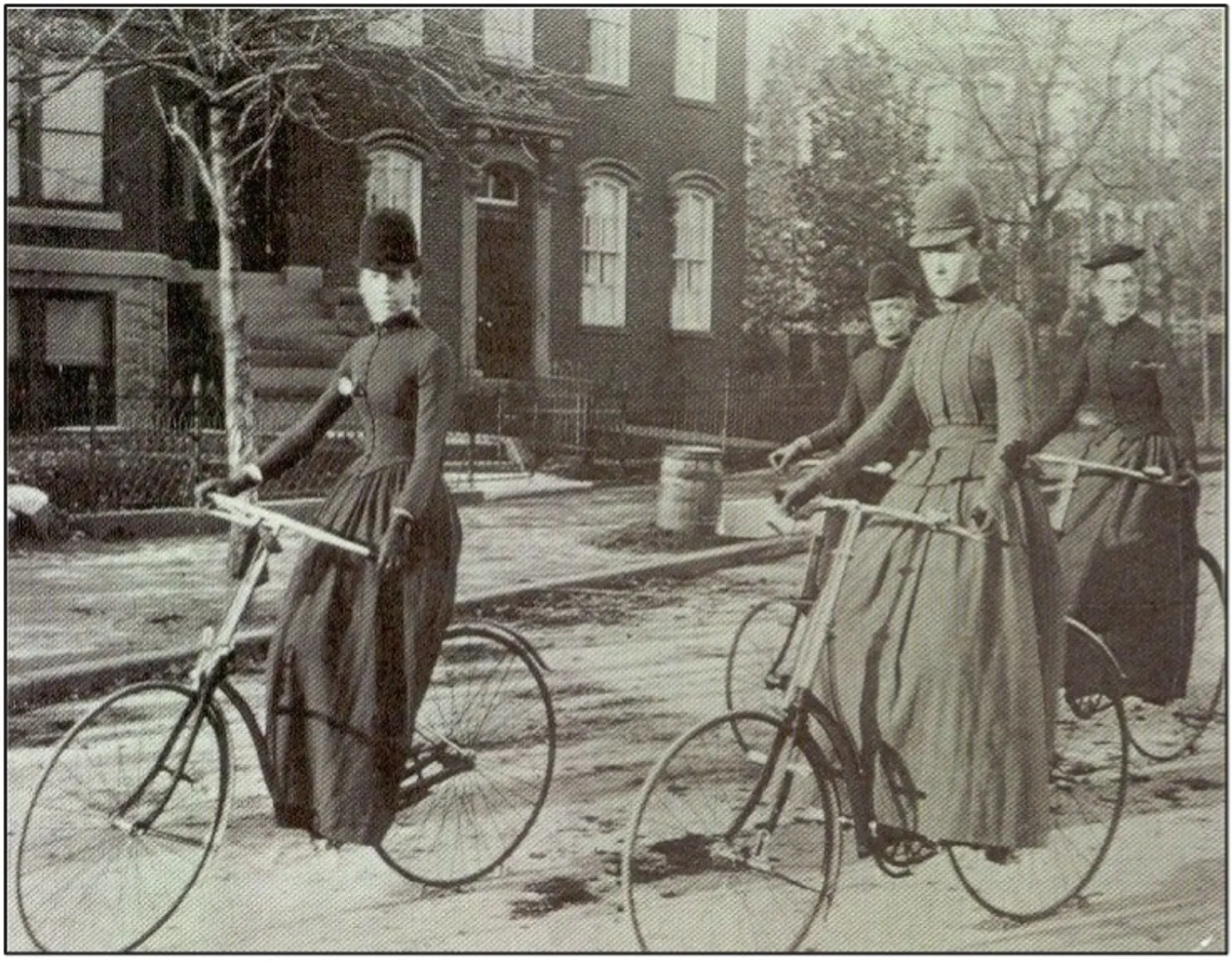
Figure 4: By the end of the nineteenth century women increasingly felt empowered to partake in what were previously male activities besides banjo playing, such as bicycling.
The Gold Rush and Lotta Crabtree
While there were numerous contributing factors to the rise of female banjo players, the idea that women might want to play banjos can be traced directly back to the influence of Miss Lotta Crabtree, a woman raised in the California gold fields who became America’s most popular actress in the years following the Civil War. She became so famous on stages across America that she was universally known by her first name, simply as “Lotta,” similar to “Madonna” or “Beyoncé” today. Practically everyone in America knew who Lotta was, and Lotta was a wizard on the banjo (Figure 5).
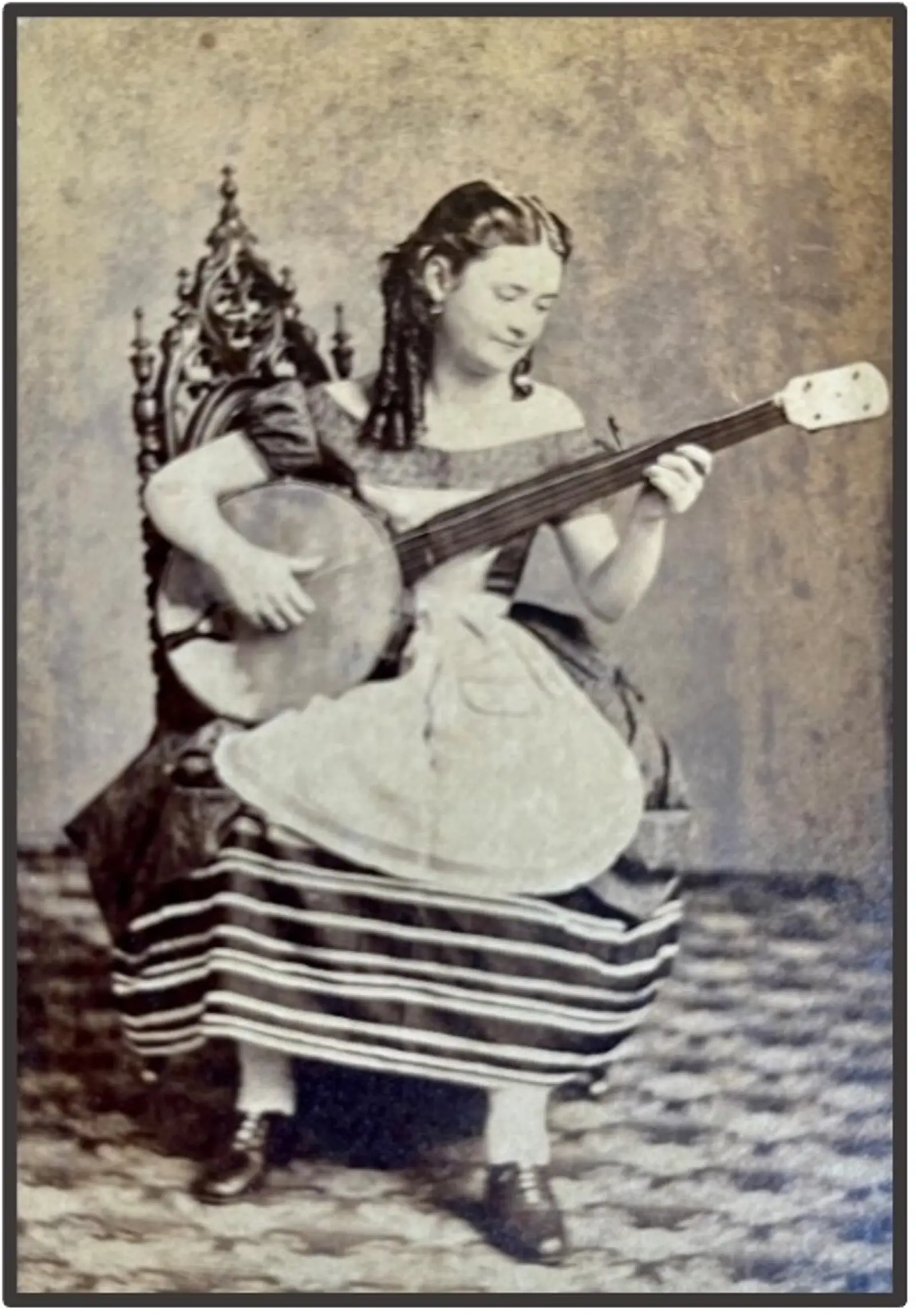
Figure 5: Lotta Crabtree, the extremely popular actress, singer, and dancer, set the example for female banjo playing.
The Lotta story starts with the California Gold Rush, which began in 1848, exactly nine days before Mexico ceded all of its territory north of the Rio Grande—including California—to the United States at the conclusion of the Mexican-American War.See footnote On January 24 of that year, a carpenter building a mill-race (Figure 6) on John Sutter’s farm near Sacramento spied something glittering in the water. The news spread like wildfire, and nearly every community in the East began to collect funds in order to finance a venture of sending men to California for a chance to bring home lots of gold.
The journey to San Francisco was long, whether prospectors traveled over one of several trans-continental land routes, or by sea, either crossing through Panama or sailing around Cape Horn. Only about 1000 miners arrived in 1848, but the numbers exploded exponentially in 1849, with gold prospectors gaining the nickname “’49ers.”
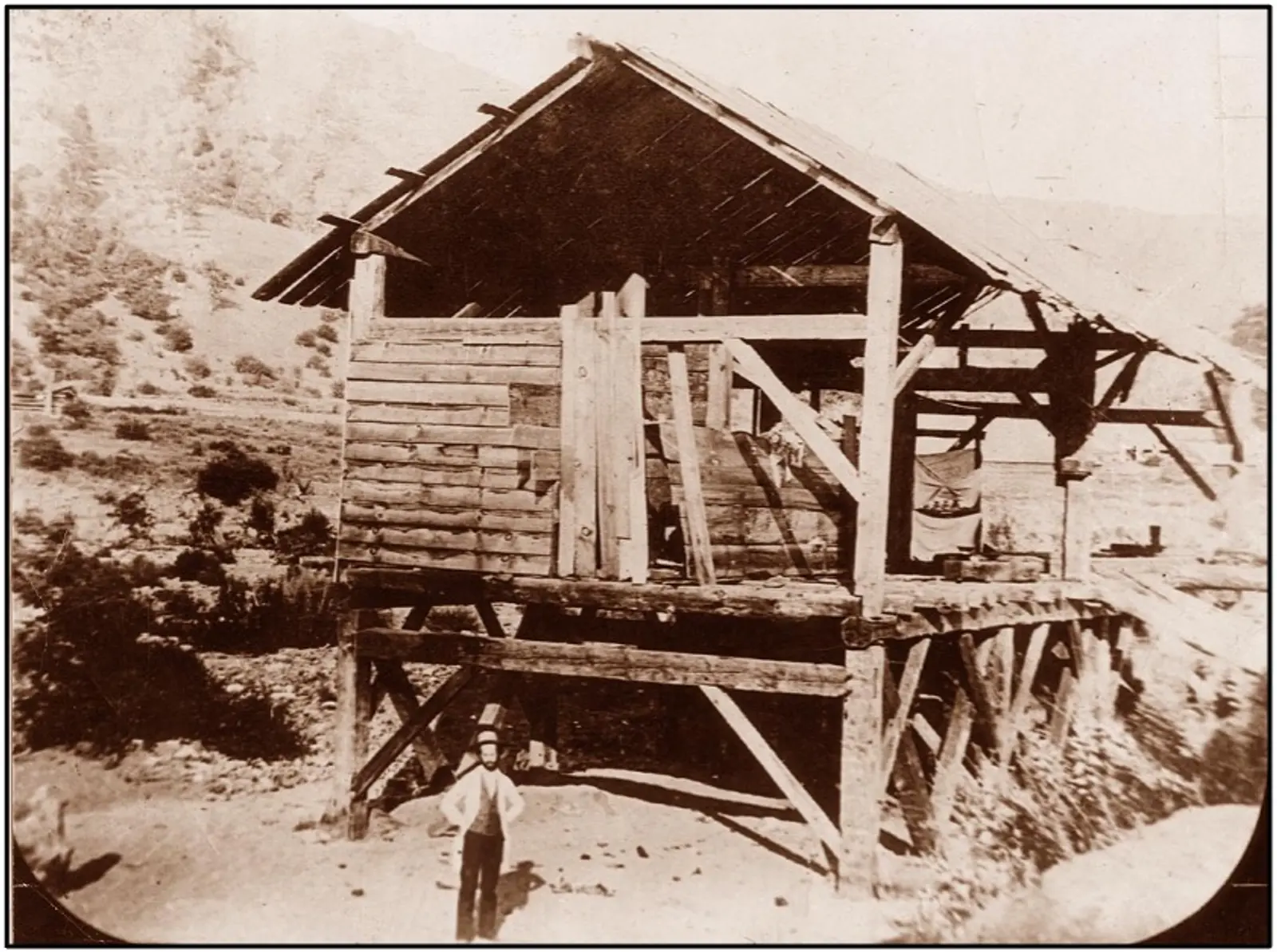
Figure 6: When gold was discovered here at Sutter’s mill in 1848 it ignited a massive gold rush.
Prior to 1848 San Francisco had been a sleepy military outpost and mission town of around 200 people. By 1849 the population had swollen to around 20,000, and by 1852 to about 36,000 not counting the many people who were only passing through. San Francisco grew larger than Chicago and was almost equal in size to Washington, D.C. Estimates are that 300,000 to 400,000 miners from all over the world eventually came to work the gold fields. Prospectors worked hard and rarely struck it rich. They did, however, love a good show, either at night in camp, or in town when spending the few nuggets they had found on drinks, stage shows, gambling, and other entertainments (Figure 7).
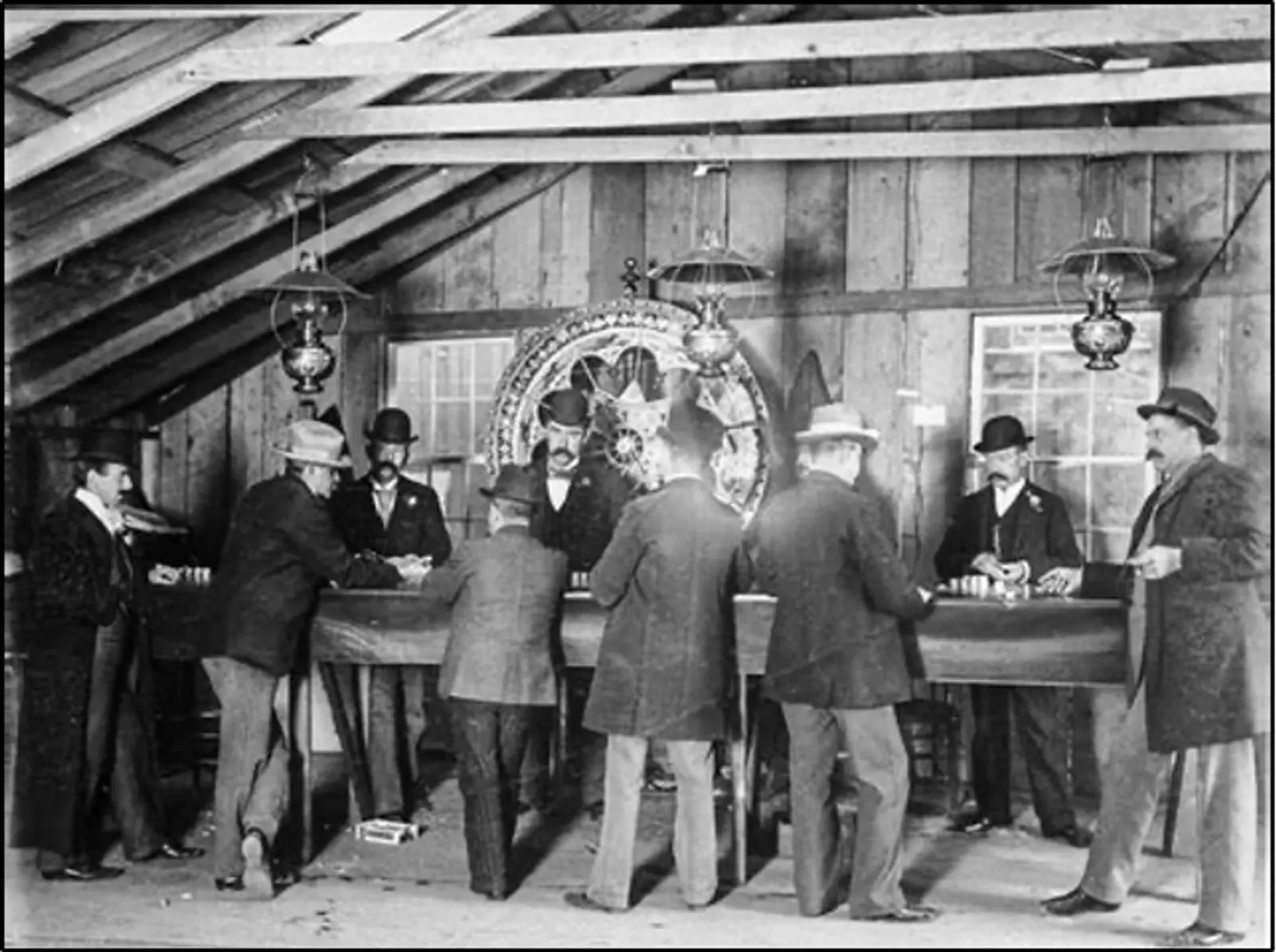
Figure 7: Gold prospectors liked to gamble and go to shows in their leisure time.
Entertainers from the East began heading West to cash in on a lively theater scene that developed in these boomtowns, playing San Francisco before touring a circuit of growing towns and camps across the region. All theaters, whether luxurious permanent playhouses or humble stick-and-canvas stages, had a bar. It was in this boisterous, chaotic world that Lotta was raised.
Charlotte Mignon Crabtree was born in New York City in November of 1847, just two months before the Gold Rush began. Her parents were English immigrants John and Mary Ann Crabtree, with John a n’er-do-well bookseller in lower Manhattan. John contracted gold fever in 1851 and headed for California with dreams of finding a fortune. Mary Ann and little five-year-old Lotta followed two years later, arriving in San Francisco by ship from Panama in 1853. John’s whereabouts were unknown when they arrived so they stayed with friends, with Mary Ann enjoying the colorful theater scene and famous actors playing there. Husband John was soon located, and Mary Ann and Lotta boarded a stagecoach for the gold boomtown of Grass Valley. Child performers were very popular among the gold miners, so little five-year-old Lotta was promptly put up on a barrel-head to sing a song. She burst into tears instead, making this an inauspicious start to her stellar performing career. The world would probably never have heard of Lotta had a new neighbor not fortuitously moved in a few doors down.
Lola Montez, The Spanish Dancer
The newcomer in the neighborhood was the infamous dancer and courtesan Lola Montez. Born Eliza Gilbert in Ireland in 1821, Eliza was taken to India as an infant and later educated in Scotland, where reportedly one day she caused a scandal by scampering through town completely naked. At age sixteen, she eloped with a young man and returned to India, but they split up in 1843. Eliza adopted the name “Lola Montez, The Spanish Dancer” and moved to London to begin a stage career (Figure 8). Recalling her schoolgirl antics, her dance routines revealed more of her body than deemed proper for a decent woman in the 1840s.
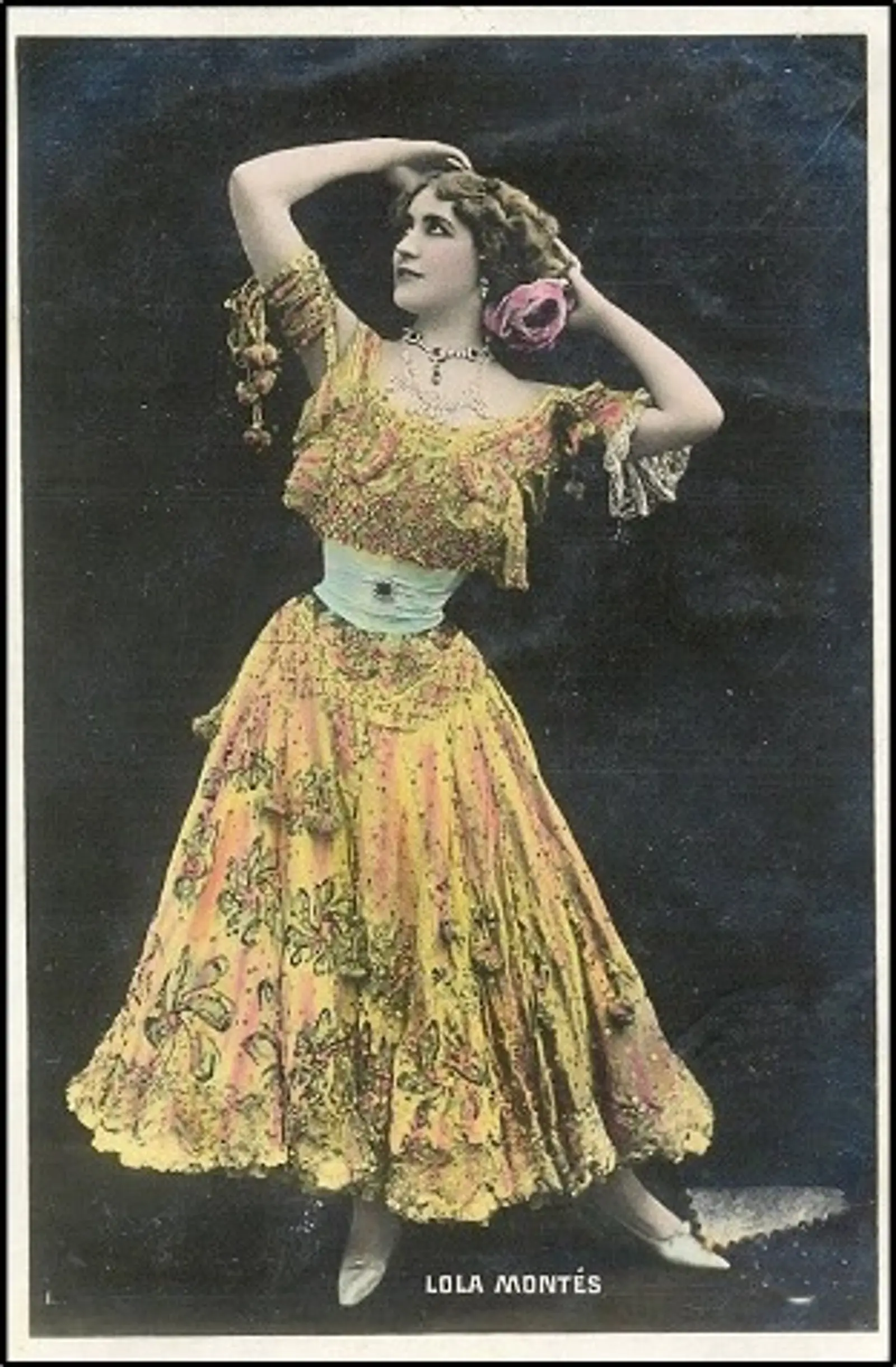
Figure 8: Lola Montez, The Spanish Dancer, courtesan, and free thinker who encouraged Lotta.
Lola’s early career in London was a failure. She relocated to Europe where she had liaisons with several wealthy men, including notably the pianist and composer Franz Liszt. She eventually became the mistress of King Ludwig the First of Bavaria, making her a de-facto Queen (Figure 9). One of Lola’s friends in Europe was the popular novelist George Sand. Born Amantine Dupin in 1804, Sand was an early women’s rights advocate and part of a group of women who rebelled and went about Paris wearing men’s clothing (Figure 10). Sand greatly influenced Lola Montez and, through her, at least, Lotta Crabtree.
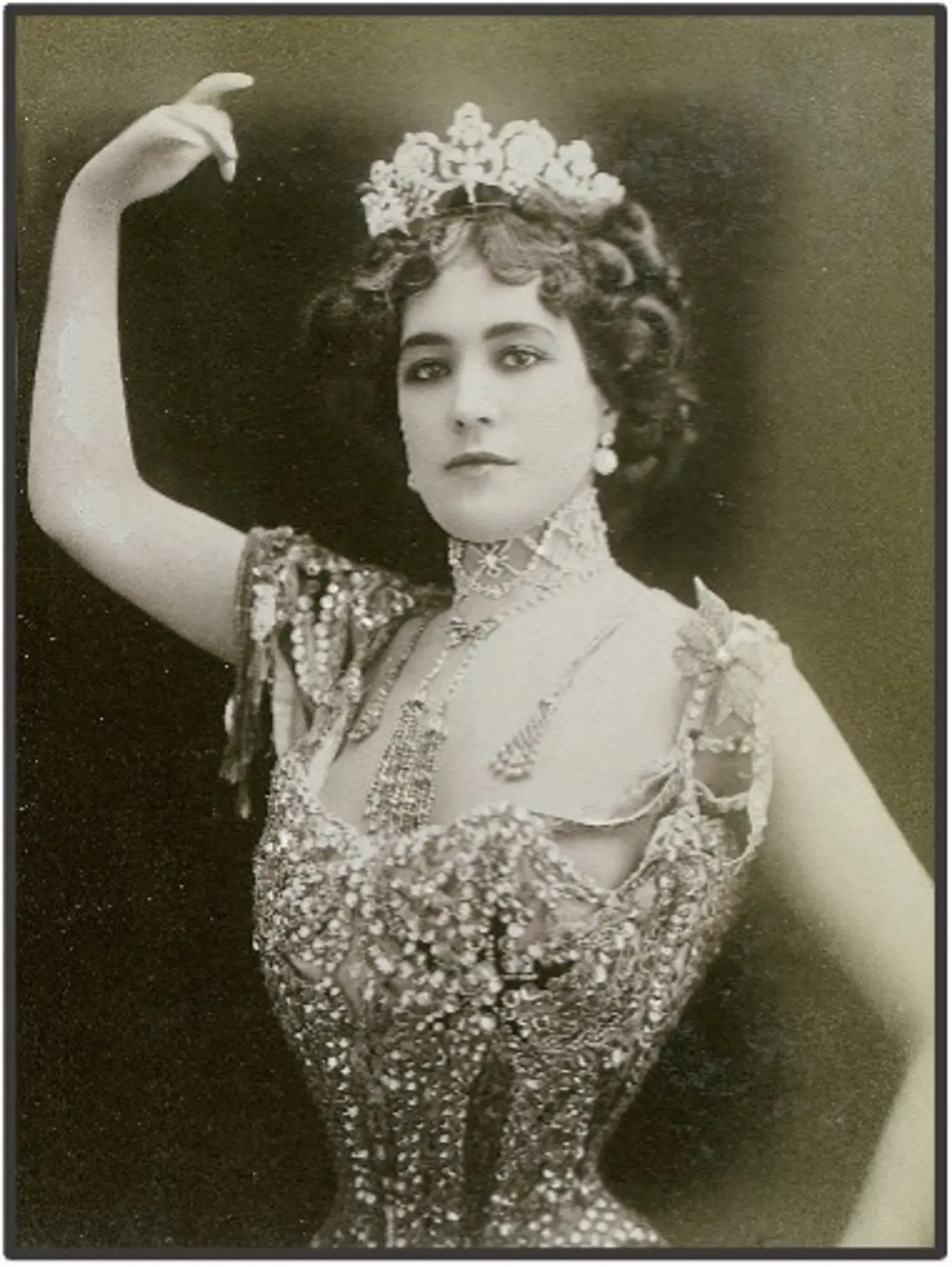
Figure 9: While never the actual Queen of Bavaria, Lola Montez acted in that role until having to flee revolution in the German States.
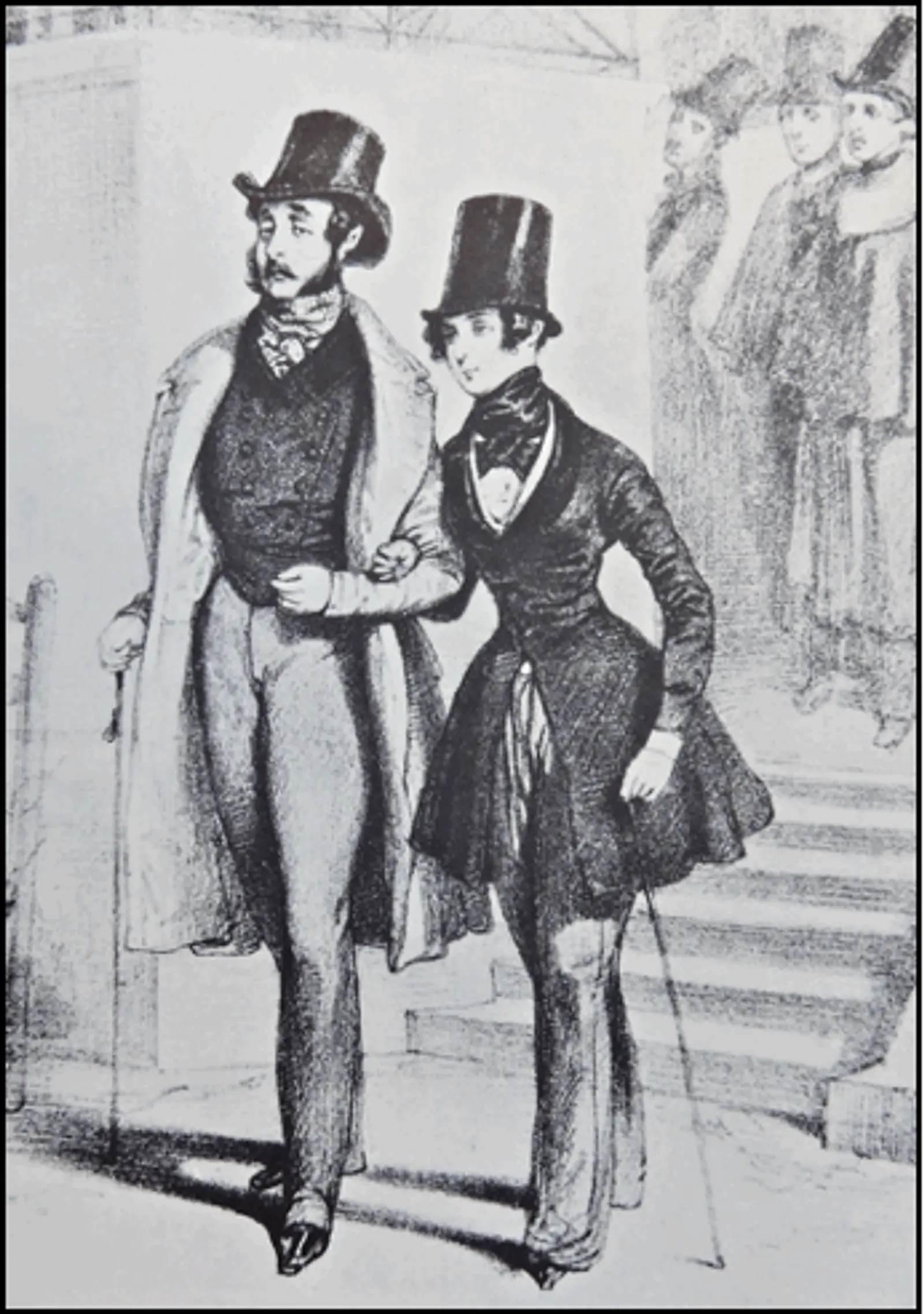
Figure 10: A lithograph of George Sand c.1840 who, like some other free-thinking Victorian women, including Lola Montez and Lotta, adopted a rebellious masculine persona.
In 1848 revolutions in the German States forced Lola Montez to flee to America, where she finally settled in Grass Valley, up the street from Lotta. Montez quickly established a salon that included guitar (and likely also banjo) players. Children often ran in and out of her house and Lola took special interest in the lively Lotta, teaching her dance steps and other performing skills that helped turn her into a successful performer.
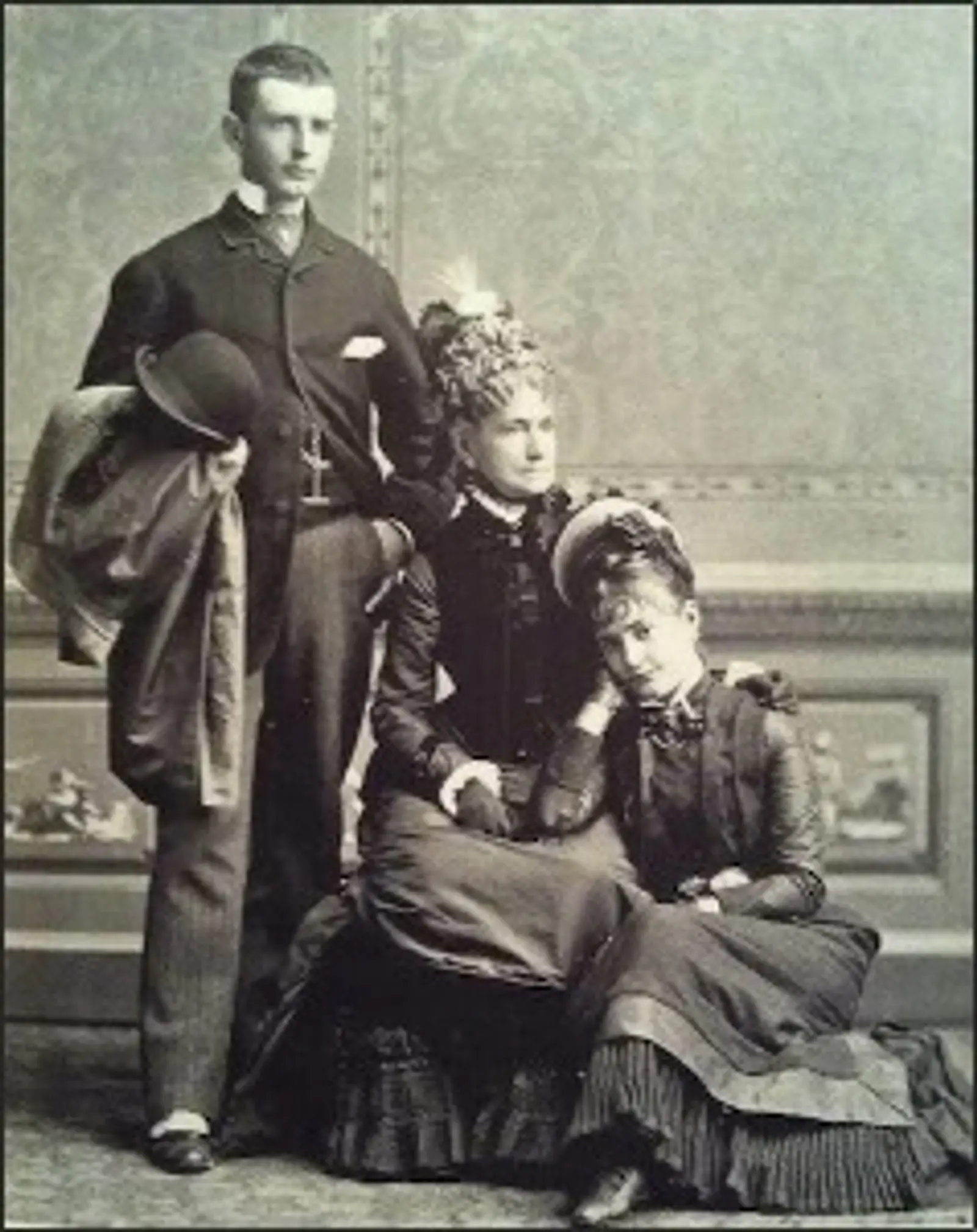
Figure 11: Lotta (right) with her mother and manager Mary Ann and brother Jack.
Lotta’s Climb to the Top
Lotta’s mother and manager Mary Ann (Figure 11) eventually connected with two professional musicians, a guitarist and a fiddler, and little Lotta toured the mining camps singing and dancing in blackface make-up, a miniature version of adult blackface minstrels.
By 1856, when she was just eight, Lotta’s home base became San Francisco, where she played minstrel-style shows at all the top theaters and conducted regular tours out to the camps. By 1859 she had become known as “Miss Lotta, The San Francisco Favorite” (Figure 12).
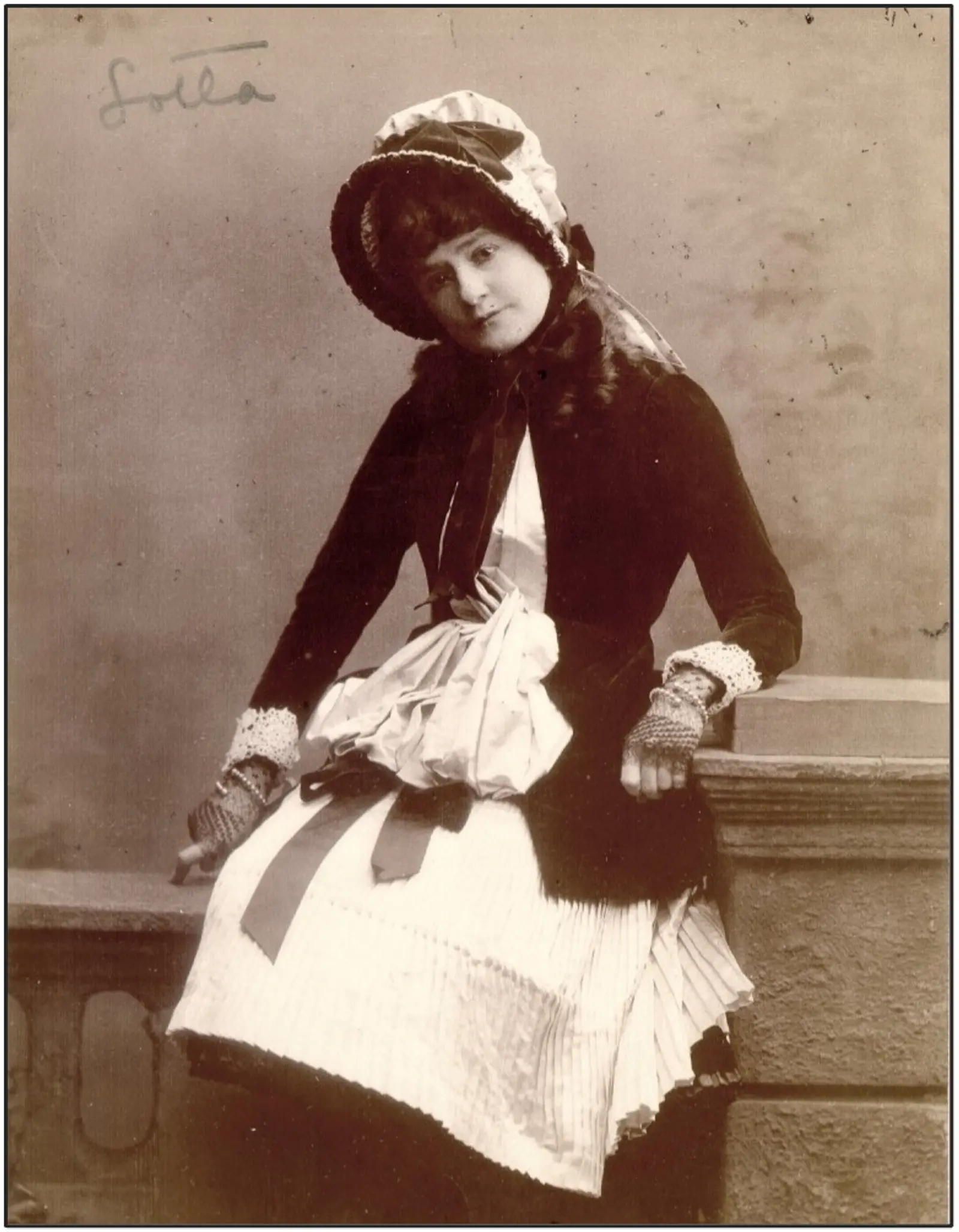
Figure 12: Miss Lotta was so popular she became known as “The San Francisco Favorite.”
We do not know when Lotta learned banjo but she was taught by a traveling blackface minstrel named Tom WallaceSee footnote and was already an expert by the time she was twelve. Melodic themes and variations were her specialty. She played dueling solos with professional bones players and challenged fiddlers to match her chops.
In 1864, just sixteen years old, Lotta was ready to break out and begin working her way East. She began by touring the Midwest, and by 1866 she was conquering the New York stage and performing her unique brand of West-Coast minstrel variety, occasionally in blackface make-up, if the role required it (Figure 13). She played New York, Philadelphia, Boston, London, and occasionally back home in San Francisco, where she was idolized and large crowds came to see her.
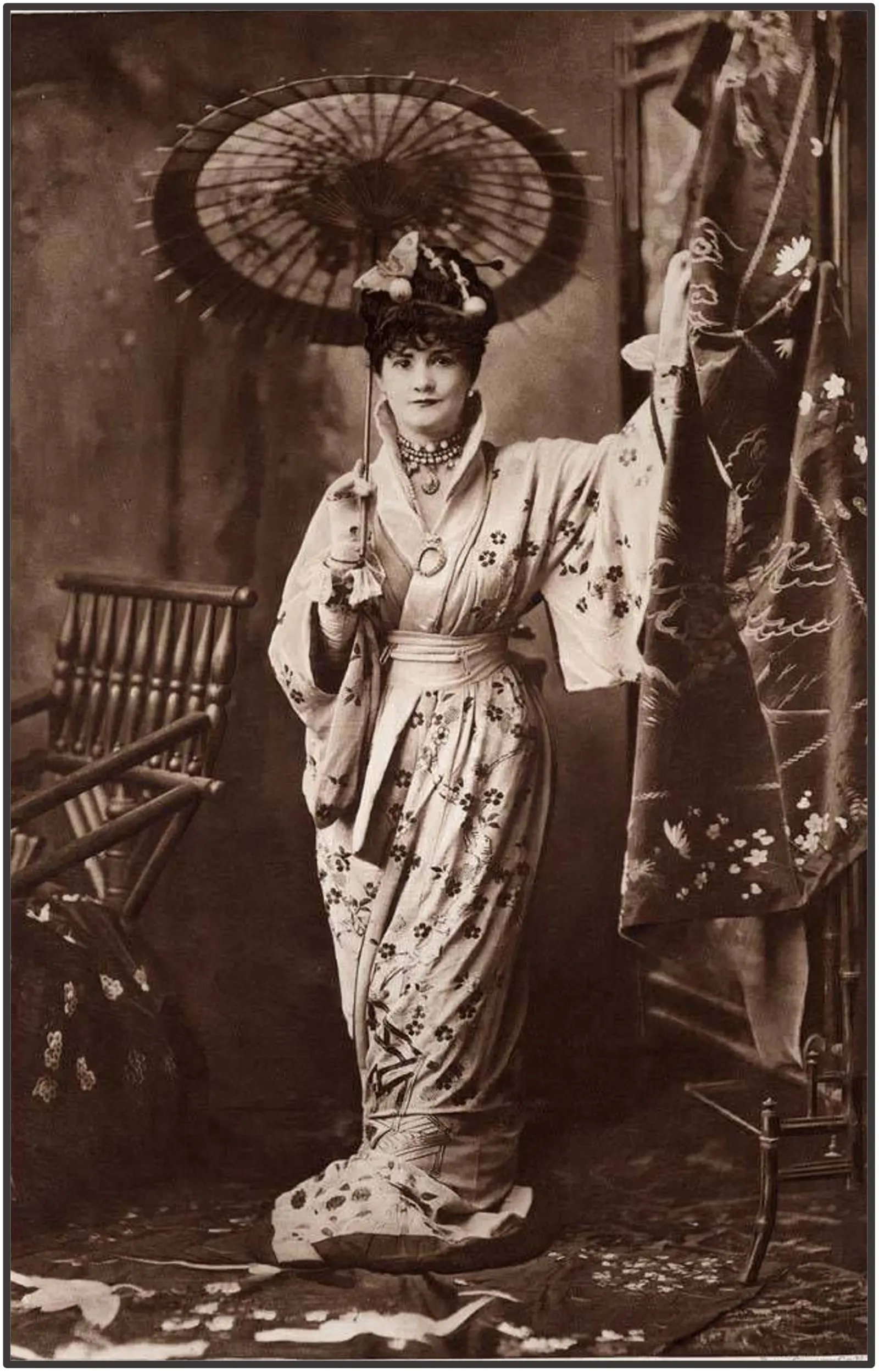
Figure 13: Occasionally Lotta’s routines, sometimes performed in “yellowface,” reflected the strong Asian influence on the West Coast gold fields.
As her popularity increased, new songs were dedicated to her and new plays were written for her. Like today’s celebrities, she endorsed consumer products (Figure 14). She was dubbed “The Nation’s Darling” by her admiring press! At her peak Lotta earned $5,000 a performance, the equivalent of $150,000 in today’s money. By 1875 Lotta was touring at the head of her very own theatrical company. Because Lotta always included a banjo solo in her performances, even in the middle of reciting a Shakespeare monologue, “Lotta” became synonymous with “the banjo.”
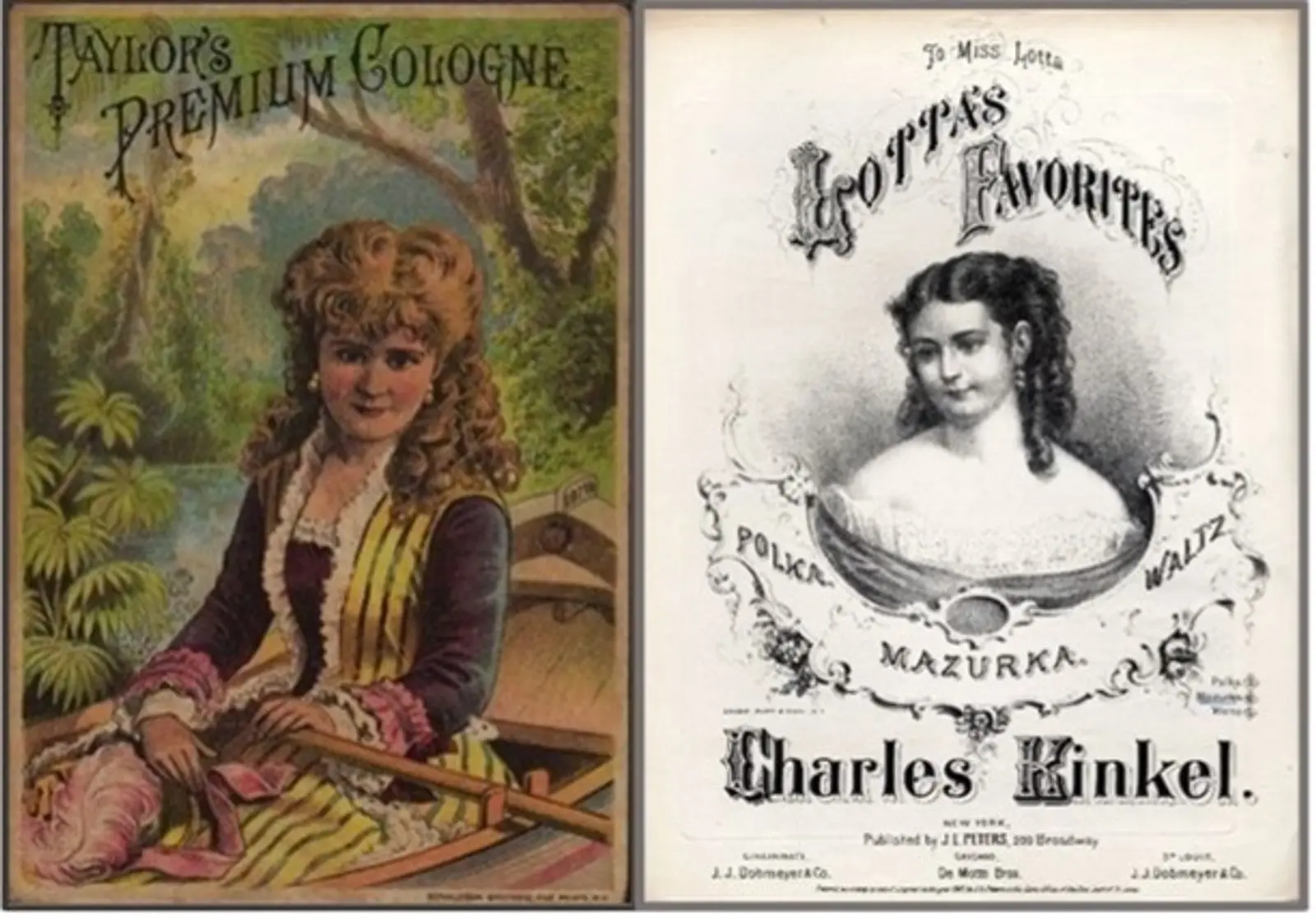
Figure 14: Lotta was an early pioneer in the practice of celebrity product endorsements and had many works of art created for her.
The “Improvement” of the Banjo
The two known images of Lotta playing the banjo reveal that she played a “minstrel-style” banjo (Figure 5), at least early in her career. These banjos had a large diameter “cheese-box” wooden rim, a long, thick neck, fretless fingerboard, gut strings, and wooden violin-style tuning pegs. The skin head was secured with a round metal tension hoop tightened with a few threaded metal brackets (Figure 15).
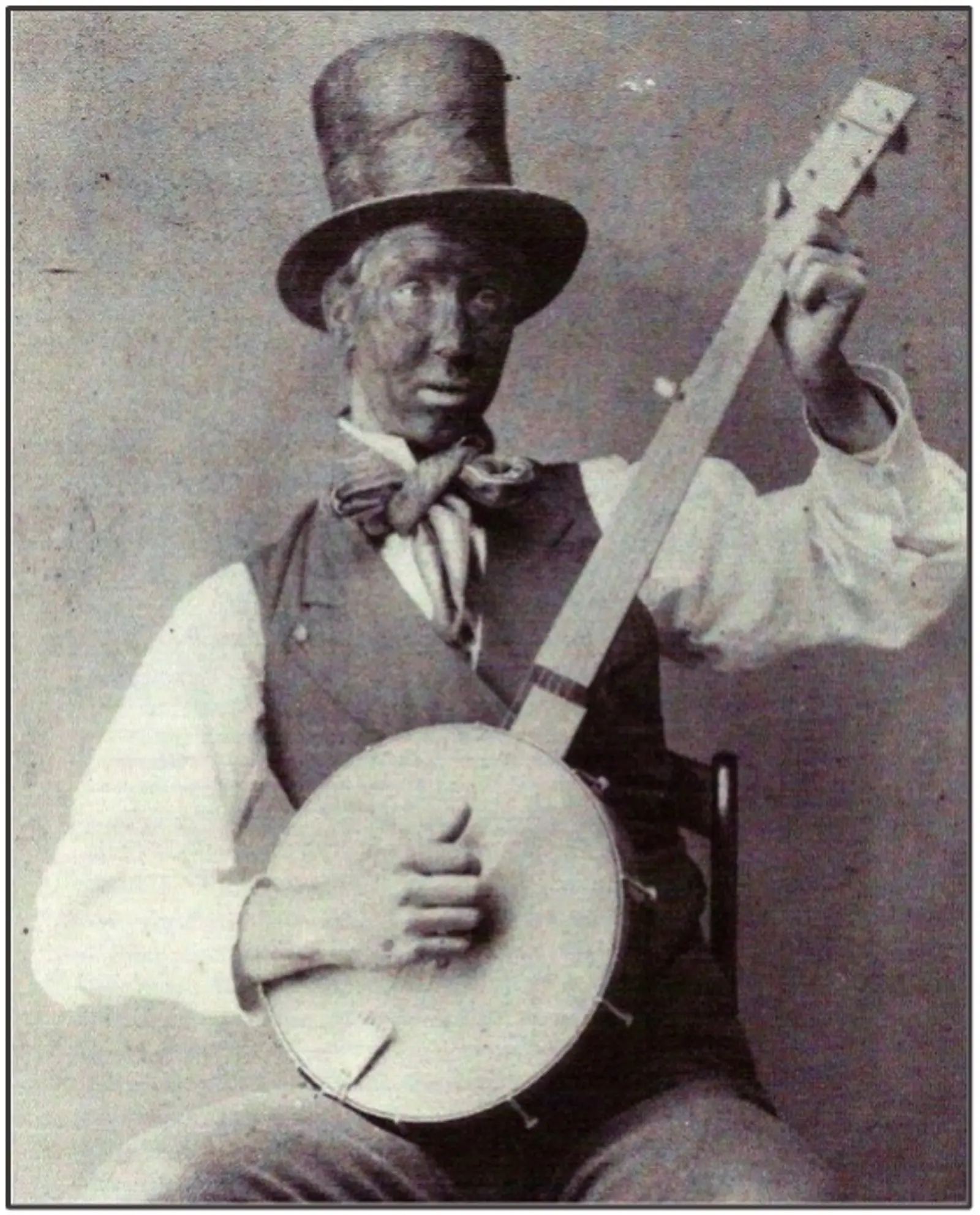
Figure 15: A blackface minstrel playing a minstrel banjo similar to Lotta’s; it was more sophisticated than earlier gourd banjos but still simpler than later factory-made banjos.
Minstrel-style banjos were transitional between tack-head banjos—gourd bodies with tacked-on skin heads and “stick” necks similar to those that accompanied African-American musical practices—and the modern factory-made music machines that began appearing right about the time women started taking up banjo playing. These featured German-silverSee footnote clad rims, a growing number of steel brackets and shoes, geared machine head tuners, patented tailpieces, and eventually fretted fingerboards (Figure 16). Because they were much sturdier and louder, easier to tune, and made it much easier for students to locate precise notes, banjo manufacturers such as S.S. Stewart and others described this evolution as the “Improvement of the Banjo.”
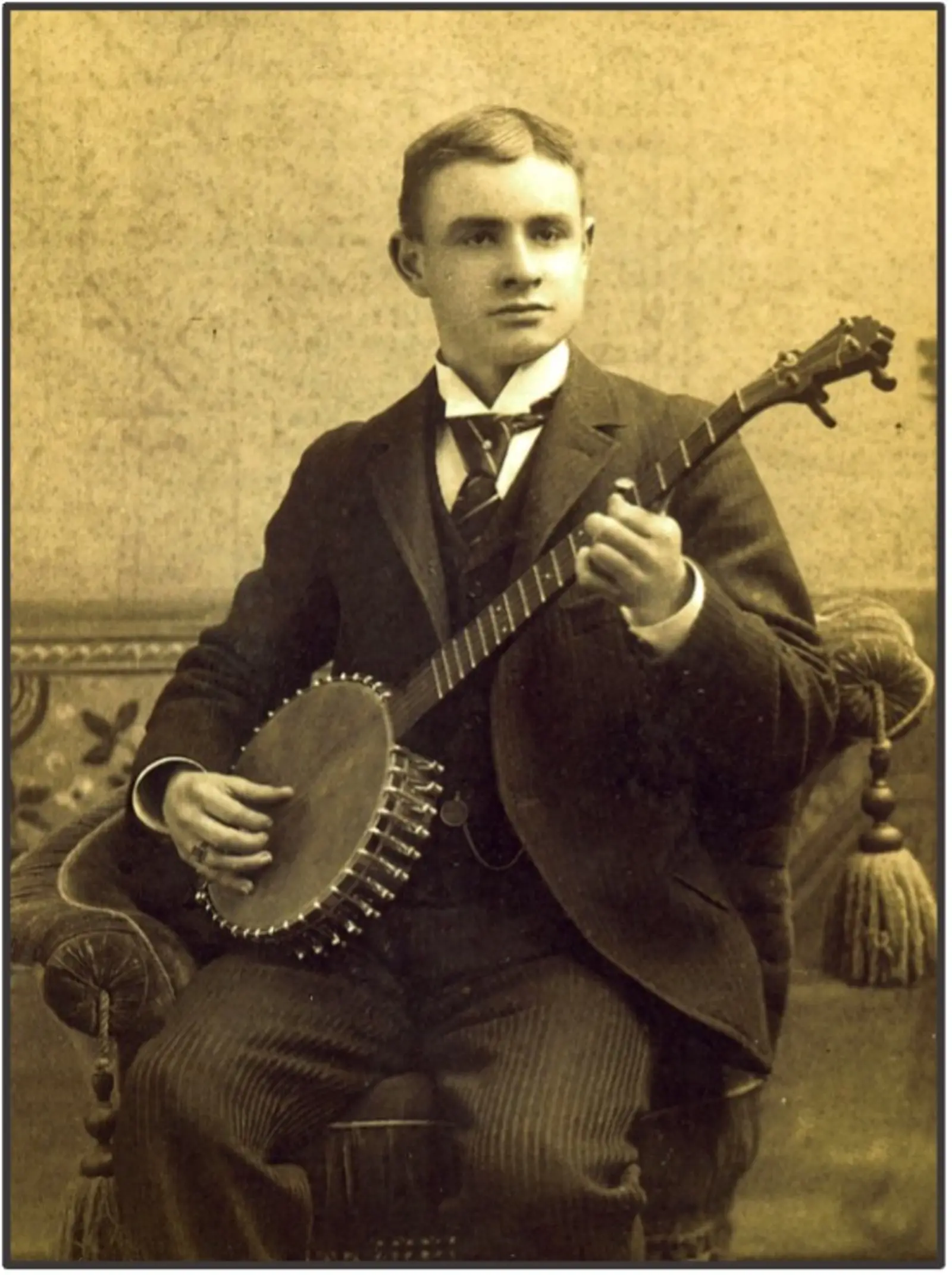
Figure 16: “Improved” banjos were factory-built, featured improved, patented hardware, and frets, and were played with three fingers like contemporary fingerstyle or classical guitar.
Tack-head and minstrel banjos were played in a style that passed from African griots to American slaves to minstrel banjoists. They were played in a manner known as “stroke-style,” a technique that is still reflected today in old-timey “clawhammer” playing. When playing stroke-style, the banjoist holds the thumb and index finger in a loose fist. The index finger flicks down to strike melody notes with the top of the fingernail while the thumb plucks alternating rhythmic notes on the high, short drone string (Figure 17). Stroke-style was well suited for playing relatively simple dances and “darkie” songs often featured in blackface minstrel shows, although talented musicians—as many blackface minstrels were—could play much more complicated arrangements using this technique.
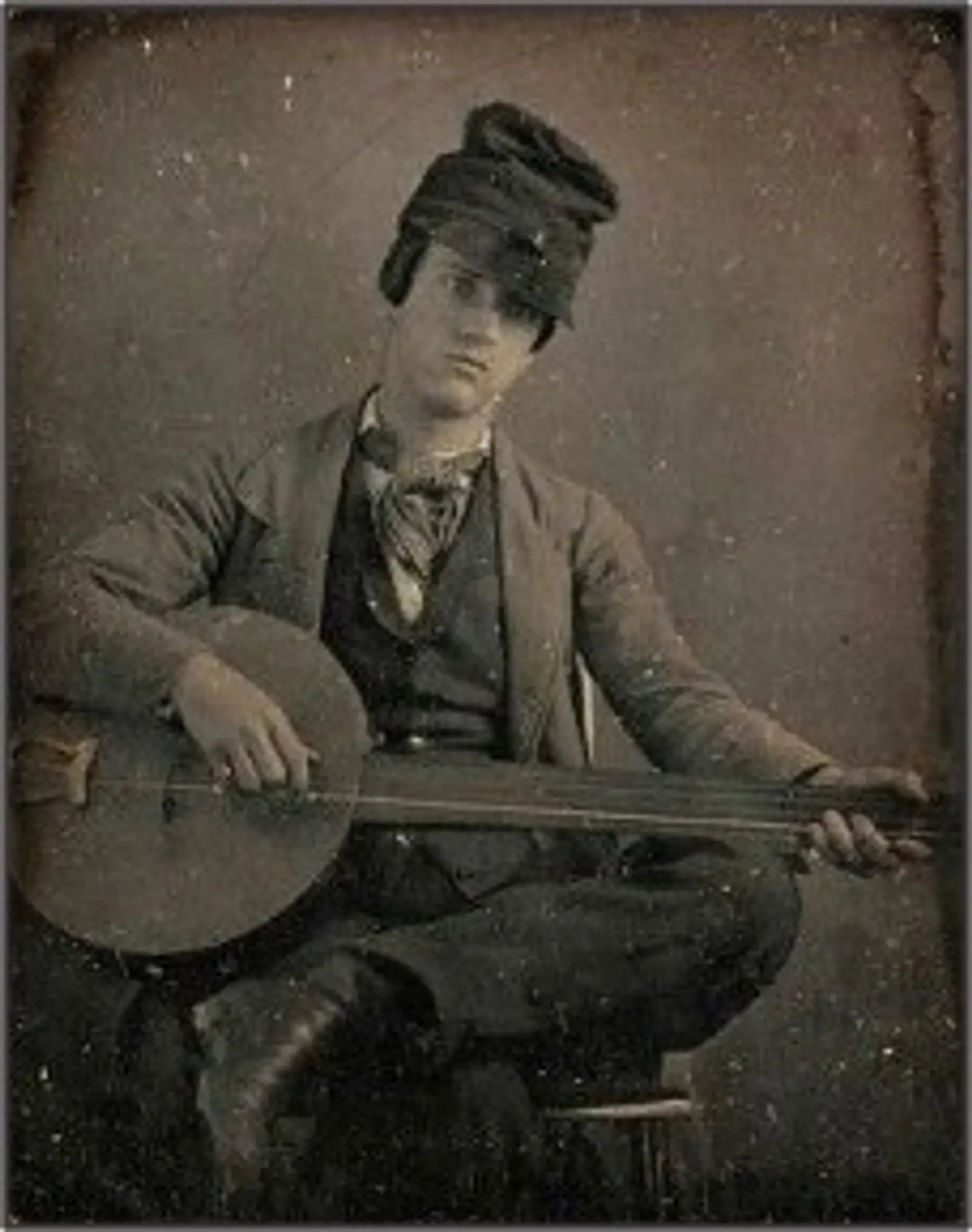
Figure 17: A banjoist using stroke-style where the thumb plucks the short string and the index fingernail plays the melody on the longer strings.
In the two known pictures of Lotta Crabtree with a banjo, however, her hand appears to be held playing in a newer “guitar style” (Figure 18). Spanish guitars became increasingly popular in the early nineteenth century and once banjos had achieved wider usage among white musicians, it was only a matter of time before banjo players began adapting guitar technique. Guitars were generally played with the thumb and first two fingers. The little finger touched the top to keep the hand steady while the two fingers plucked melody notes and small chords upward and the thumb plucked bass notes downward. This was essentially what banjo players today call “three-finger picking.” It was ideal for playing light opera, patriotic songs, and “tin pan alley” songs, exactly the kind of “elevated” music that would be played by the women who were inspired by Lotta. In the photographic images, virtually all of these women played “guitar-style,” never “stroke-style.”
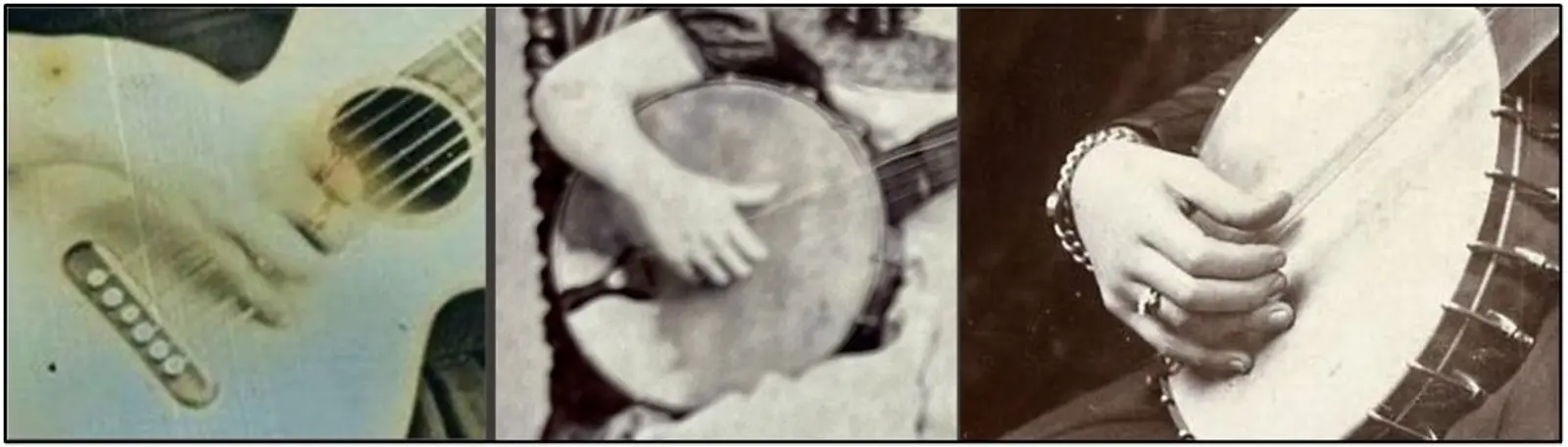
Figure 18: Details of images depicting “guitar style” on guitar (left), by Lotta (center), and by a late nineteenth century female banjoist (right).
The first known mention of playing banjo “guitar style” comes in Thomas Briggs’s 1855 Banjo Instructor, where he explicitly refers to “playing like a guitar” in language that sounds as if readers were already familiar with the technique. Two significant historical events very likely hastened this cross-over of playing styles: the California Gold Rush (1848-1855) and the Civil War (1861-1865). Both brought together huge numbers of people from every corner of America to live in close quarters, including banjo players and guitar players, who pitched tents near each other and were able to watch each other play and, on occasion, play together (Figure 19).
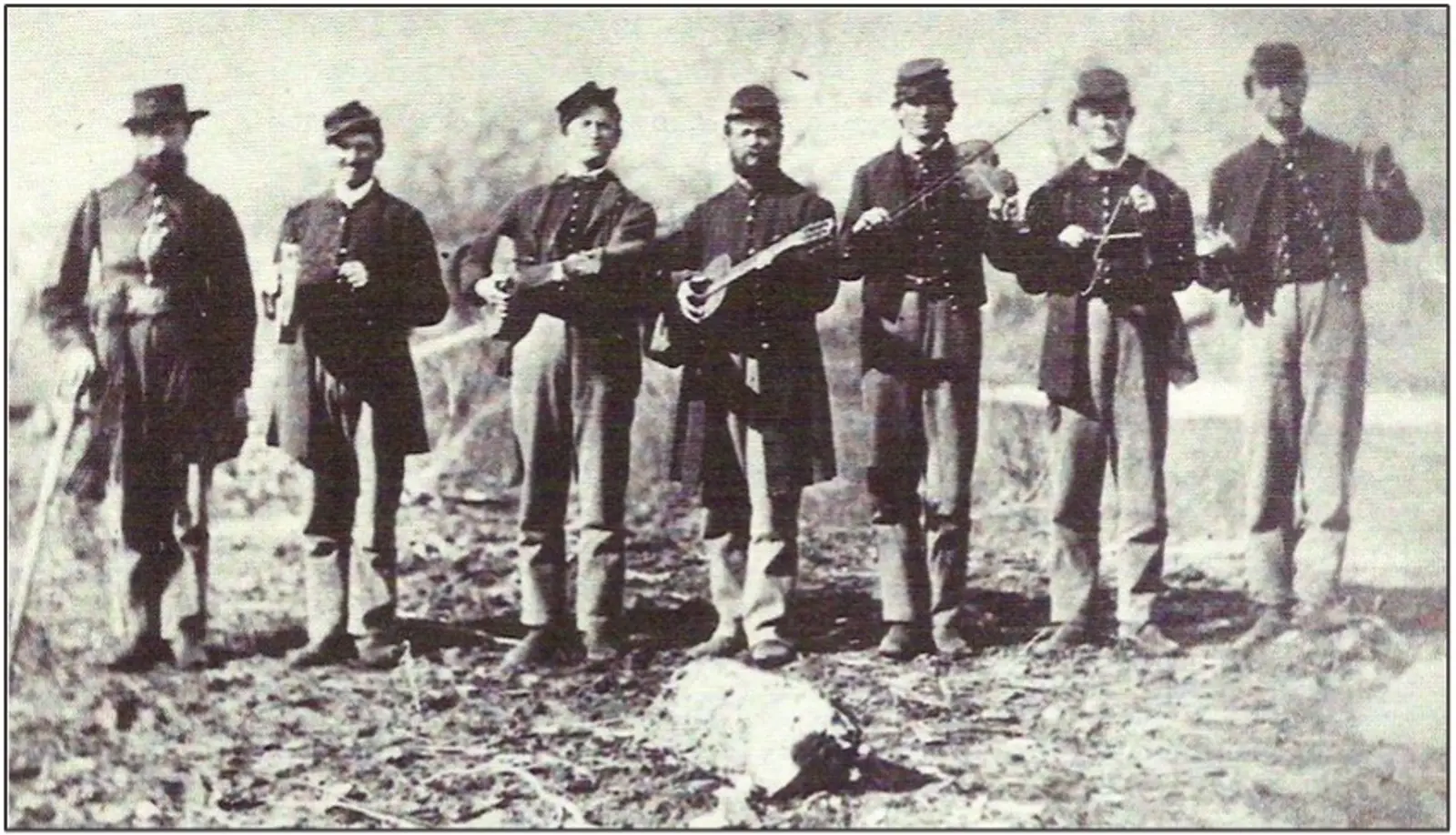
Figure 19: Informal Civil War army bands (vs. formal marching bands) combined banjo and guitar players while entertaining comrades playing minstrel and other popular songs.
Notes
Following the Civil War, there actually were some African-American and female blackface minstrel troupes, but the early minstrels were exclusively white men.
While this article is focused on banjo and can't delve into the Gold Rush at length, it is important to note that the Gold Rush and the 49ers were perpetrators of a genocide of Native Californians (Madley 2016). Similarly, it is also worth noting that historians largely agree that the Mexican-American war was a war of US expansionism (Fowler 2022).
Banjo player, teacher, and manufacturer George C. Dobson later claimed that he also gave Lotta banjo lessons after she had arrived in New York City.
German silver is an alloy of copper, zinc, and nickel that contains no silver but looks like silver, developed by German metallurgists based on earlier Chinese alloys.
This chapter has multiple parts
Go toMichael Wright
Writer and Historian | Philadelphia, PAMichael Wright specializes in guitar and banjo history, having contributed to 16 books and many publications, written "The Different Strummer" history columns for Vintage Guitar Magazine since 1991, and regularly presented original historical research to the Annual Banjo Gathering.