
Early Sound Recording Technologies
Peter James Verdin
Early Sound Recording Technologies
by Peter James Verdin
This chapter recounts the history of early sound recording technologies, their development up until the early 20th century, and the commercial pressures and colonial legacies that shaped how these technologies were used.
Archives / Music Industry / Music TechnologyDownload
Historical Developments and Ethnographic Applications
This chapter has multiple parts
Go toThe ability to record sound to media has been a critical development in the way that humans engage their sonic environments and has affected diverse elements of human culture. More than just a means to document and preserve the sonic aspects of existence, sound recordings—and their accompanying technologies and media—are dynamic sites of interpersonal and intercultural encounters. These encounters provide opportunities through which ideas and beliefs are communicated, maintained, and challenged. The history of sound recordings is comprised of diverse cultural legacies that developed from the historical circumstances under which the technology was invented and circulated. This chapter recounts the history of early sound recording technologies. It begins with their invention in the late 19th century and tracks their development up until the early 20th century. The chapter then discusses the invention and development of these technologies, the commercial pressures and colonial legacies that shaped their engagement, and how these technologies were incorporated into ethnographic projects designed to collect and preserve sonic aspects of human cultures.
Early Endeavors in Sound Recording and Related Technologies
Prior to the invention of sound recording technology in the latter 19th century, humans preserved and distributed elements of musical practice largely through oral traditions and transcriptions. The earliest transcription of music are cuneiform tablets engraved with what is known as the “Hurrian Hymn” (Dumbrill 2005) (Figure 1). These tablets are dated to 1400 BCE. However, the ability to record a sonic act to physical media is a relatively recent invention and can be dated to around 1853-4 when Édouard-Léon Scott de Martinville (1817-1879) developed the phonautograph. The phonautograph recorded a visual depiction of a sound wave via a stylus. The stylus was attached to a membrane at the end of a funneled conduit that responded to sonic vibrations (much like a microphone). This stylus recorded helical traces of sound waves on pieces of paper wrapped around a cylinder and blackened with smoke from an oil lamp (Figure 2). The phonautograph was operated by a hand crank, and Scott often recorded sounds—ranging from dramatic readings to music—alongside a tuning fork vibrating at 250Hz attached to a different stylus.See footnote The tuning fork provided an early form of time code that accounted for inconsistencies in the operation of the hand crank, which could distort the recorded sound wave (Figure 3). While the phonautograph did not play back music, it did provide the first visual representations of a sound wave. Researchers in the 21st century have subsequently been able to “replay” Scott’s phonautograms by using digital software to recreate the audio of the documented sound waves (Feaster 2019).
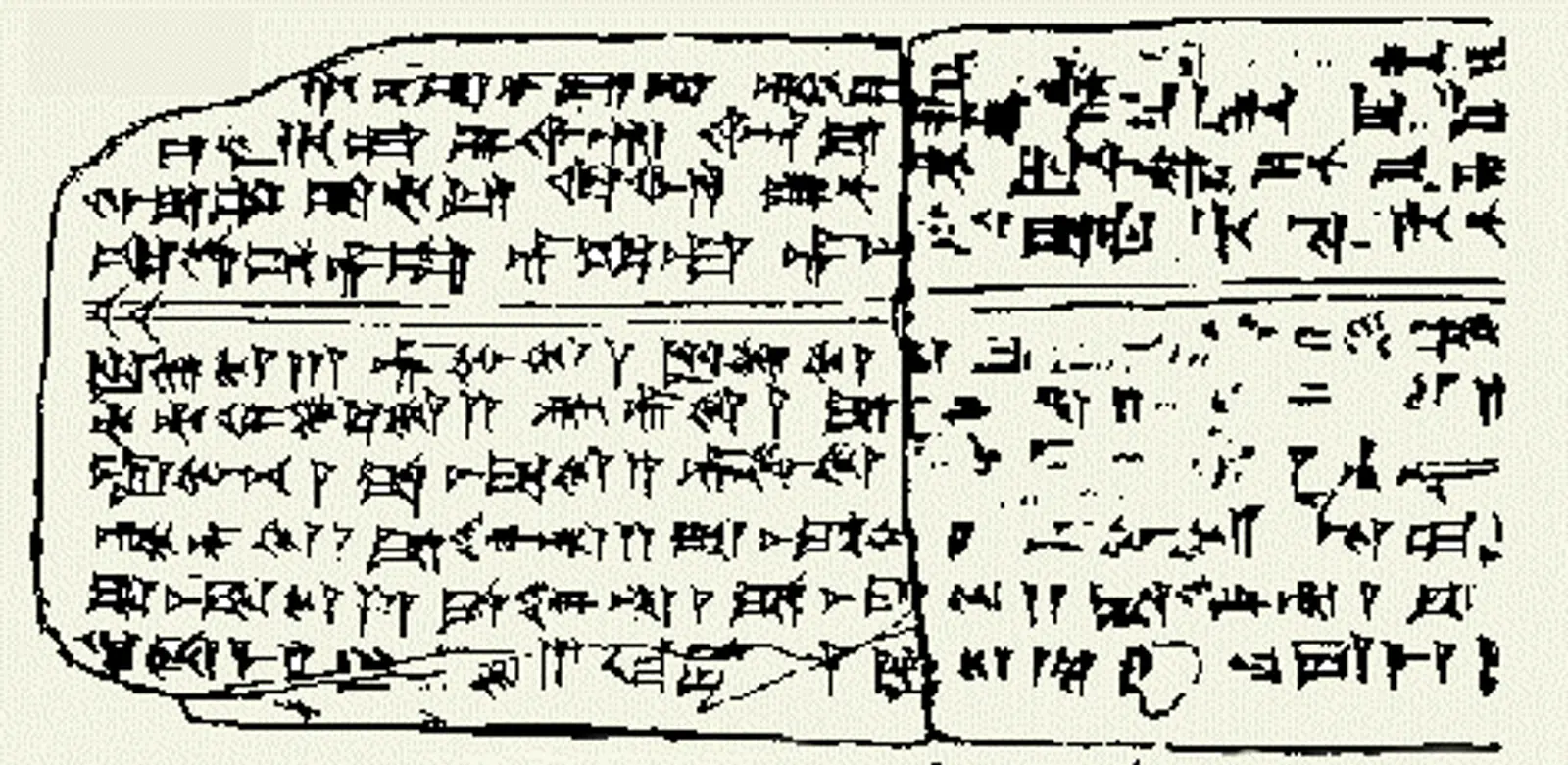
Figure 1. Image of Hurrian Hymn cuneiform tablet. Author unknown, Wikimedia commons, public domain.
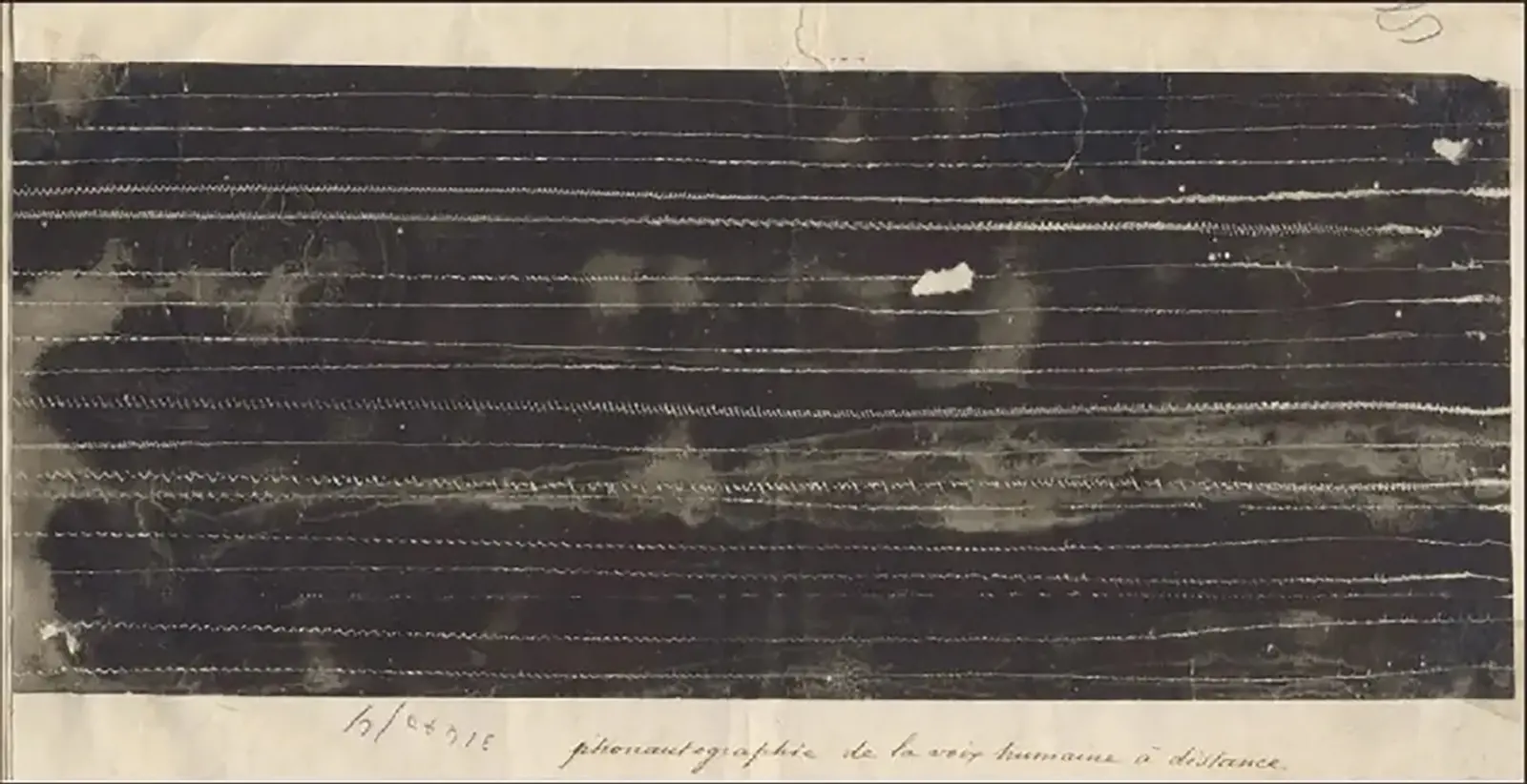
Figure 2. "Phonautographie de la voix humaine à distance" (Phonautograph of the human voice at a distance). Édouard-Léon Scott de Martinville, 1857.

Figure 3. Phonautograph with 250Hz tuning fork reference. The frequency of the top sound wave could be calculated by comparing it to the number of vibrations recorded from the tuning fork below. Académie dessciences-Institut de France.
More than two decades after Scott’s invention, Thomas Alva Edison (1847–1931) and his assistants developed a prototype of the phonograph in 1877. This was the first technology with the ability to record and play back sound. The prototype recorded sound onto a piece of tinfoil wrapped around a cylinder, and played back the sound through a rudimentary stylus. The sound quality of the recordings was low and the fragile nature of the tinfoil used to record the sound meant that the recordings were inevitably destroyed upon removal of the foil from the phonograph (Figure 4). The invention was initially treated mainly as a novelty—the ability for a machine to replay human speech or song was the focus of the spectacle, rather than the performance on the recording. Edison abandoned work on the phonograph about a year after its invention, choosing instead to focus his attention on developing the incandescent light bulb.
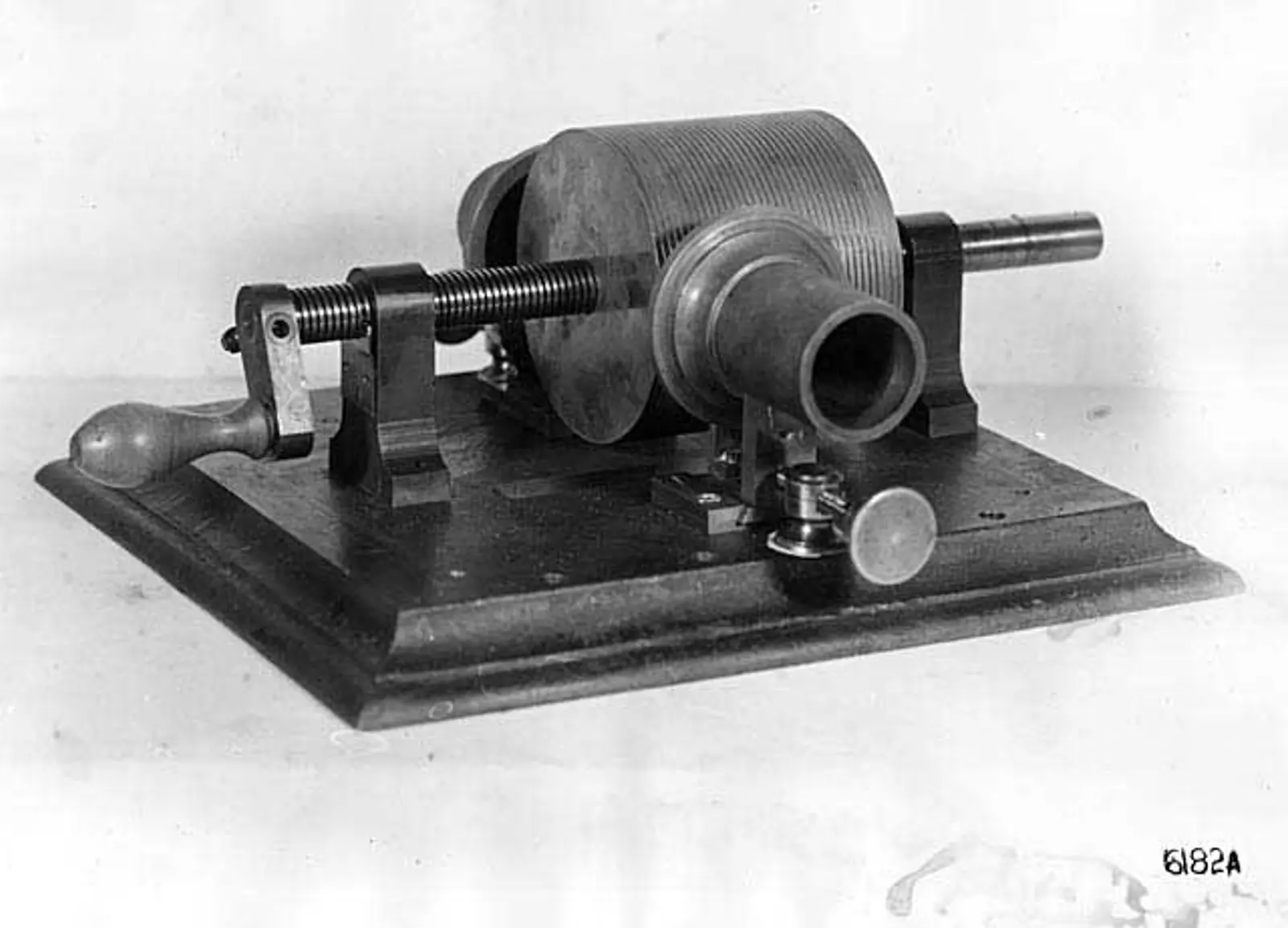
Figure 4. Edison's original tinfoil phonograph. U.S. Department of the Interior, National Park Service, Edison National Historic Site.
As Martinville’s phonautograph demonstrates, Edison’s phonograph did not develop in a cultural vacuum: It was preceded by a number of technologies that also engaged sonic aspects of life. The telegraph (1838) and the telephone (1876), for example, preceded the phonograph and shaped the way that sound, as a phenomenon, was understood and engaged with in society and culture.See footnote In fact, Edison’s prototype of the phonograph used the mouthpiece from an early telephone as the microphone. The inventor used this microphone to make his first sound recording, a recitation of the poem “Mary Had a Little Lamb" (Figure 5, Example 1).
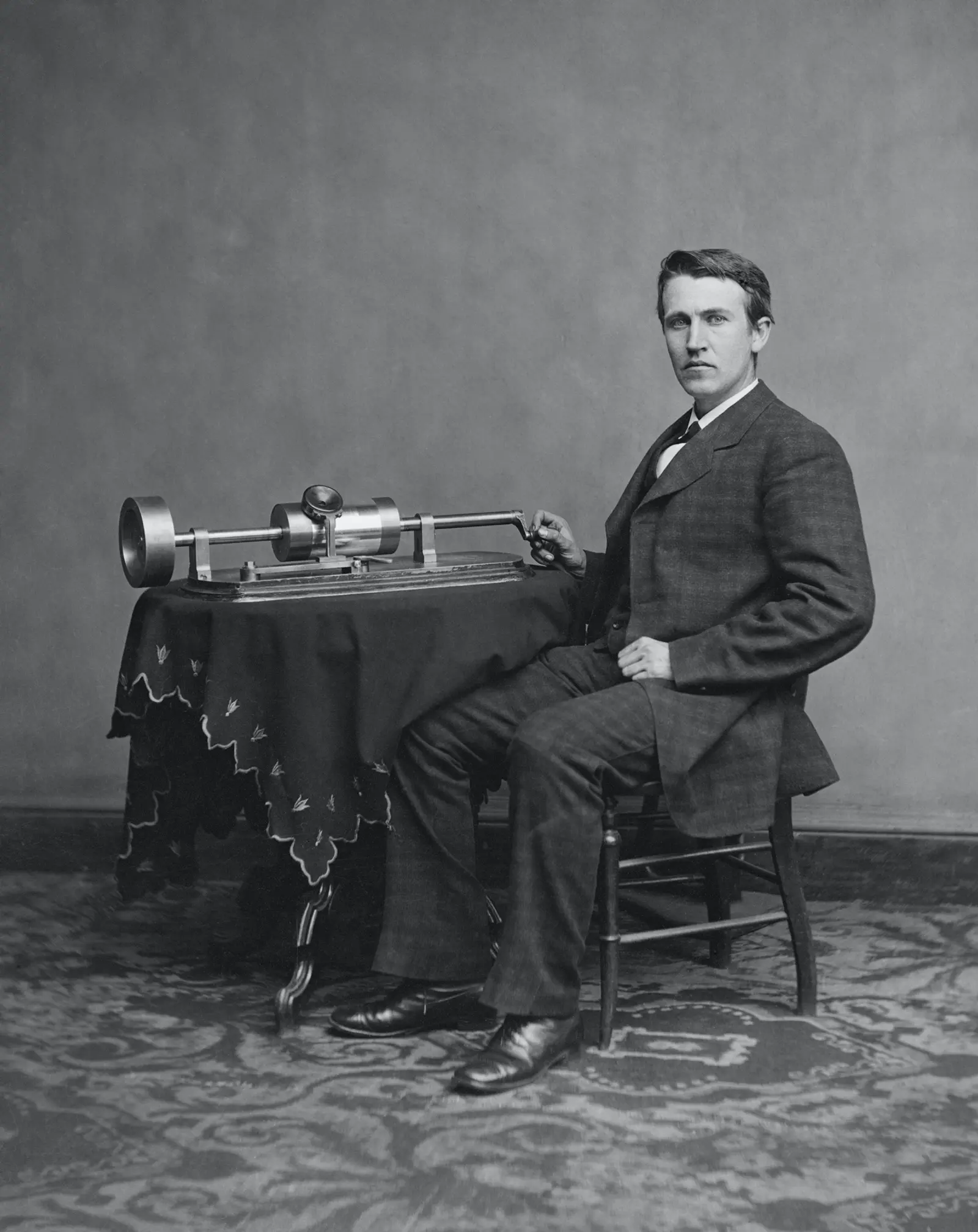
Figure 5. Thomas Edison with early phonograph. Photograph by Levin C. Handy per the Brady-Handy Photograph Collection (Library of Congress), public domain.
Example 1. Thomas Edison reciting “Mary Had A Little Lamb” in 1927. The words of the poem were the first sounds Edison originally recorded on tinfoil in 1877. Archive.org.
Edison’s invention had a historical precedent itself. On April 30th, 1877, poet and amateur scientist Charles Cros (1842–1888) deposited a paper at the Académie des Sciences in Paris where he described a similar process for recording sound on media, albeit on a disc rather than a cylinder. Unable to afford a patent for his idea, Cros did what he thought to be the next best thing: He created a paper detailing his process to “go on record.” Cros’ paper was deposited with the Académie des Sciences roughly half a year before Edison began developing his phonograph. The manuscript was unsealed and presented by Cros to the Académie in the December 1877, roughly two months before Edison was issued a patent for his phonograph (February 19th, 1878) (Gelatt 1977) (Figure 6).
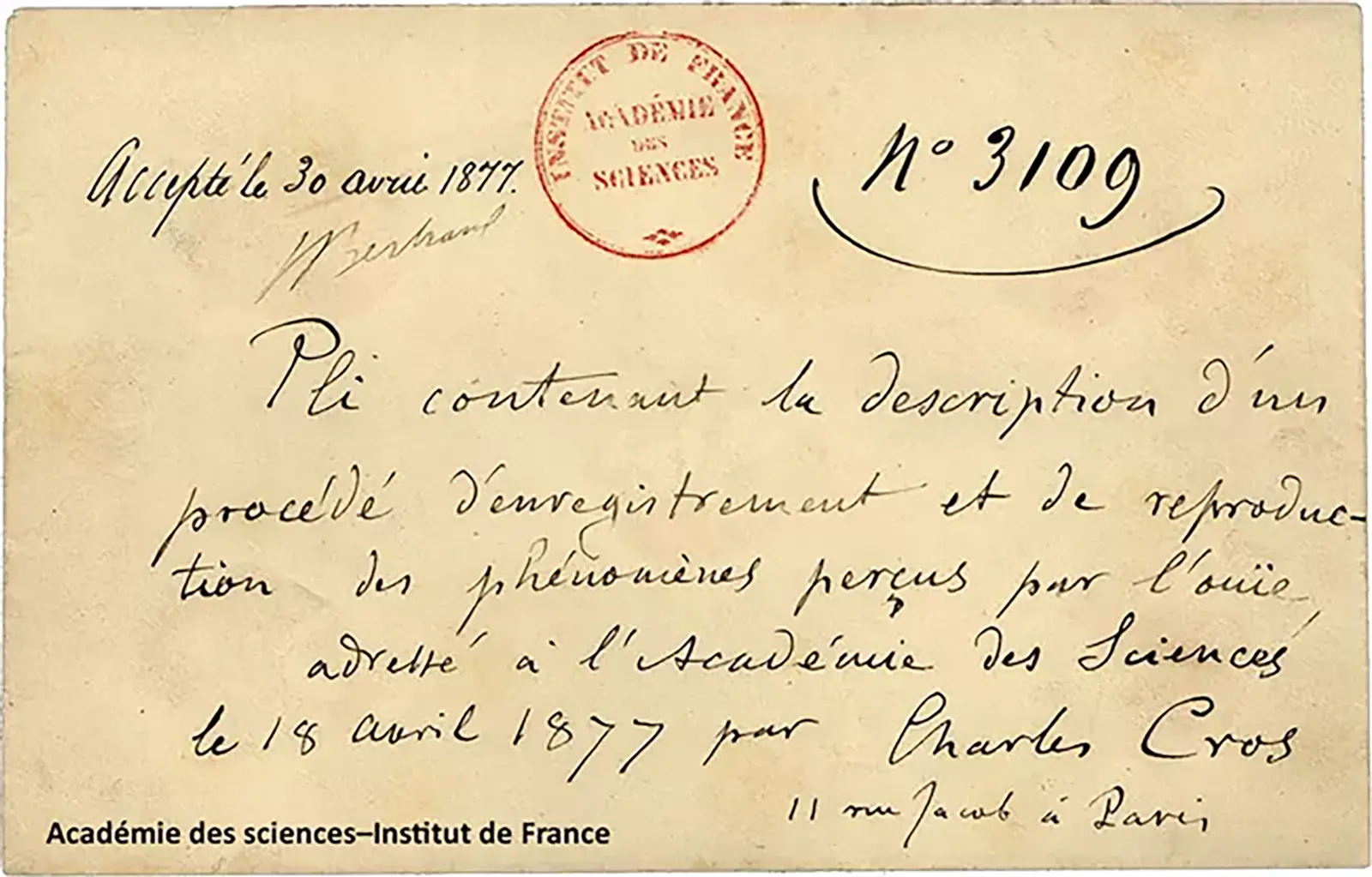
Figure 6. Charles Cros' sealed envelope containing his paper describing a method for recording sound to media. The envelope was deposited at the French Academy of Sciences on April 30, 1877. Académie des sciences-Institut de France.
During this era, women were largely excluded from scientific and technological work including developing sound technologies. As a result, men like Edison have received the credit for developing sound recording technologies. Nonetheless, despite the hurdles they faced, women also contributed to the development of sound recording technologies and techniques. For example, the Welsh singer and scientist Megan Watt Hughes conducted research into the visual depiction of sound waves. Hughes’ invention, the eidophon, (much like the phonoautograph) created visual images from sonic phenomena using various types of powders and liquids. These materials were placed atop the eidophone’s diaphragm and then agitated by sound waves, such as Hughe’s voice. Unlike the phonoautograph, these images were not depictions of sound waves, per se, but rather were visual works that used sound as a means to create visual imagery (Mullender-Ross 2019).
From Novelty to Musical Technology
Early phonographs were considered a novelty rather than a means of listening to music, in part due to their “rough” sonic character. The technology was initially operated by a hand-crank, making it difficult to record and play back music or speech that sounded natural. It would take a number of advancements in the technology before phonographs could produce a recording that was simply for the aesthetic appreciation of music.
While Edison abandoned the phonograph to pursue other endeavors, Alexander Graham Bell (1847–1922), the inventor of the telephone, established a laboratory in Washington D.C. in 1880 to foster research into sound and acoustics. Bell employed his cousin, Chichester Bell (1848–1924), as well as scientist and instrument maker Charles Sumner Tainter (1854–1940) to improve on Edison’s phonograph. In 1885, the two applied for a patent for their apparatus, which, in addition to having an electric motor, used cardboard tubes coated in wax (rather than tinfoil) as the recorded medium, as well as a loosely mounted or “floating stylus” (Gelatt 1977, 35) that could follow the grooves on the cylinders more easily. The “graphophone,” as Bell and Tainter named it, made its public debut at an exhibition in early 1887 (Figure 7, Example 2).
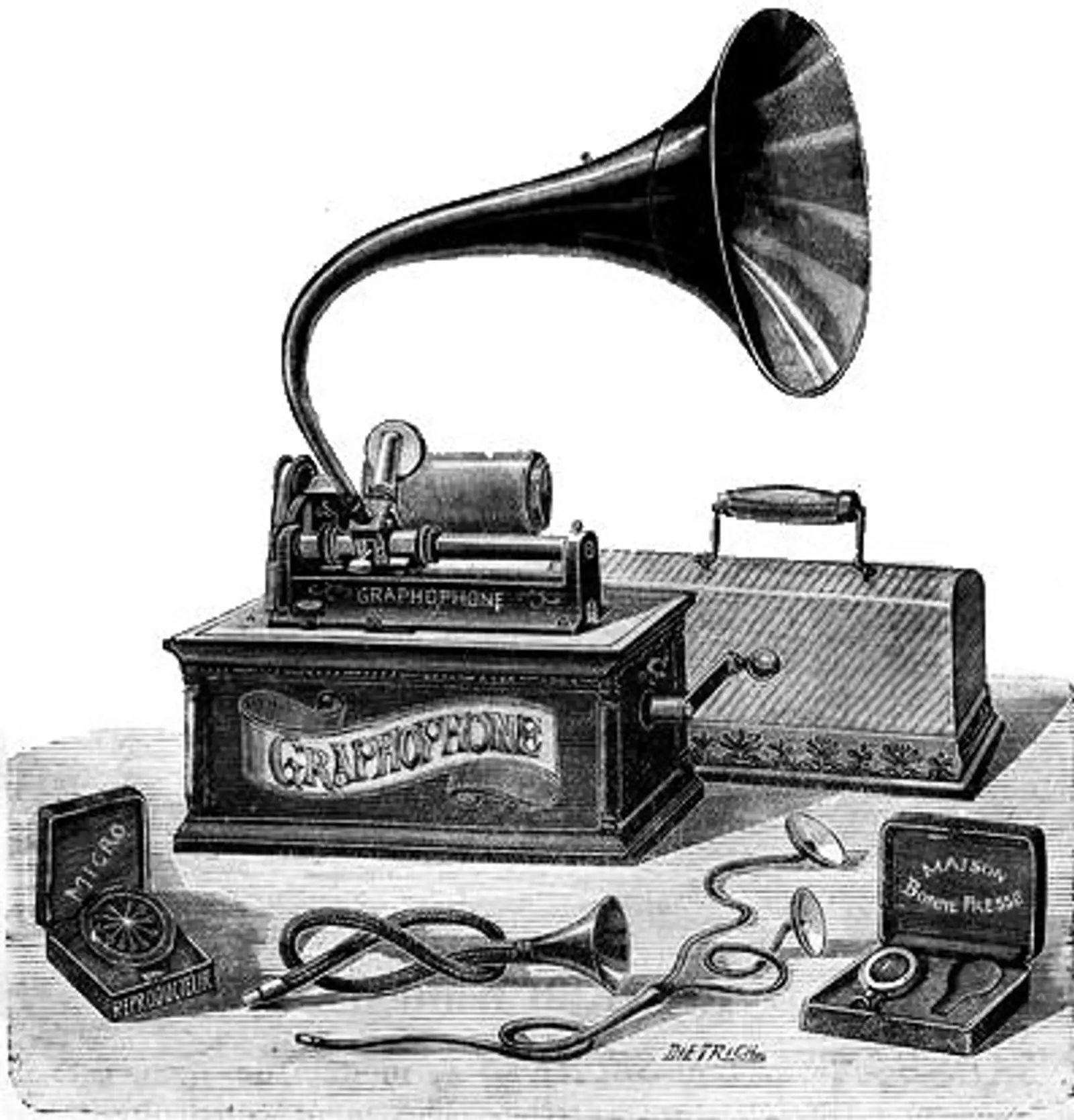
Figure 7. Illustration of the Graphophone, 1901. Catalog published by the Maison de la Bonne Presse, public domain.
Bell and Tainter approached Edison with their improved sound recording system in hopes of enticing him to join forces with them to continue developing the technology. Edison, however, was offended that Bell and Tainter would dare to improve his original idea. Rather than joining forces with the two, Edison began dedicating his efforts to developing and improving the phonograph independently. In October 1887 Edison issued an announcement in the New York Evening Post where he proclaimed his return to the technology.See footnote He unveiled his prototype in July 1888 (Figure 8). The improved phonograph, like the graphophone, also featured an electric motor, used cylinders entirely made from wax, and featured a floating stylus to playback and record sound.
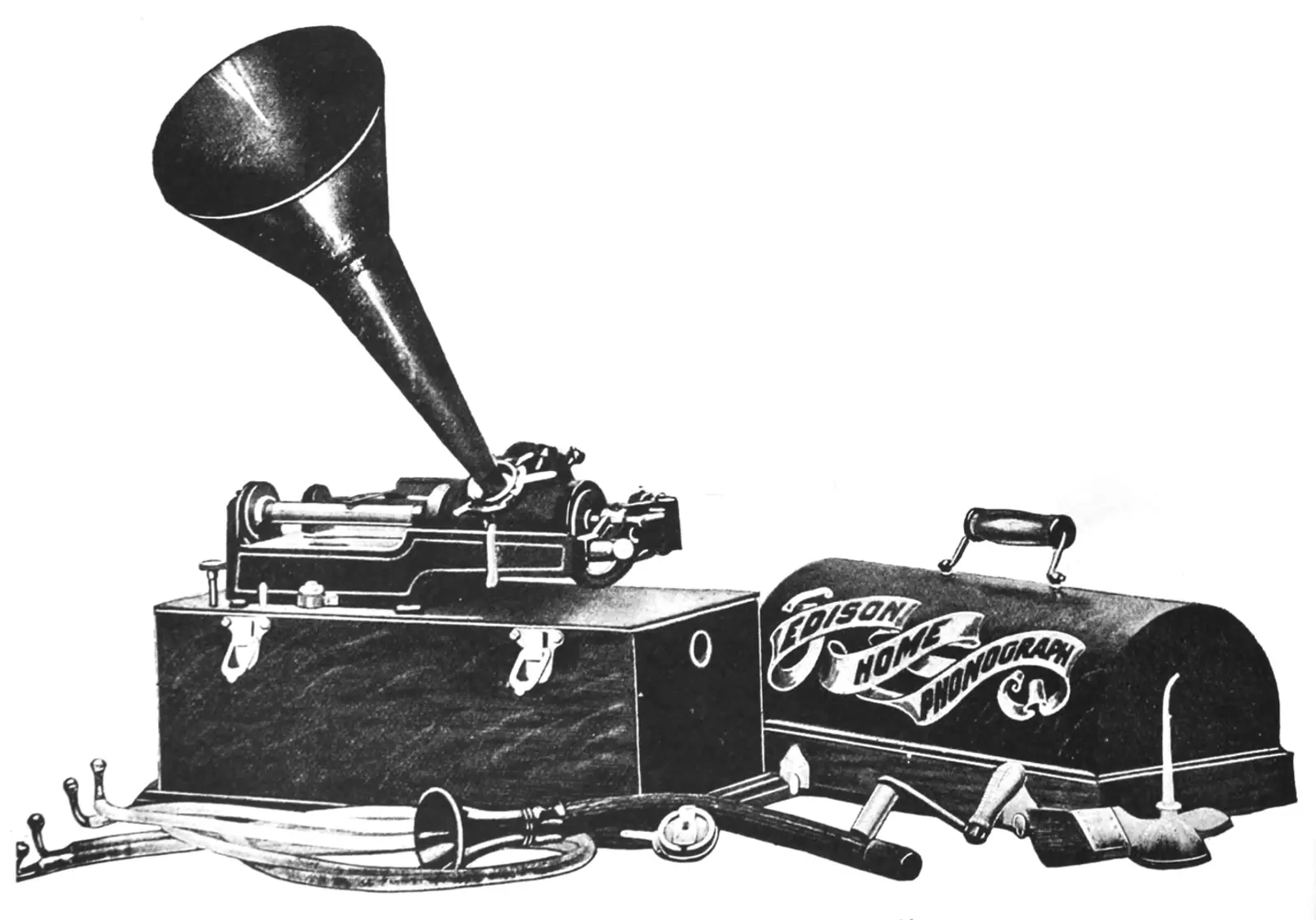
Figure 8. Illustration of the Edison Home Phonograph, 1901. Anonymous Unknown author, public domain.
Example 2. Graphophone recording of Alexander Graham Bell reciting lines from Hamlet, 1881. National Museum of American History.
Early Recording Technologies and Ethnography
Ethnography is the qualitative study of people and cultural phenomena in their natural settings and contexts. Researchers in the late 19th century realized the ethnographic value of the improved recording technologies soon after the phonograph and graphophone became commercially available. In 1890, anthropologist Jesse Walter Fewkes (1850–1930) described his use of Edison’s phonograph to record the language, rhymes, and folktales of members of the Passamaquoddy, a Native American tribe, in Calais, Maine (Fewkes 1890).See footnote That same year Fewkes used the technology to record the Zuni in the American Southwest (Brady 1999, 53–56). Since Fewke’s initial endeavors, the phonograph and similar technologies have been used in anthropology and ethnology as a means to preserve and document vernacular musical practices and other oral traditions. North American and European ethnographers, in particular, often used the technology when researching “non-Western” cultures, most of whom were under colonial rule in the late 19th and early 20th centuries (Figures 9 and 10). The recordings made by these largely white European and American researchers populated the sound archives that were founded in cities across Europe and the United States in the early 1900s. For example, the Berliner Phonogramm-Archiv in Berlin, Germany, houses over 30,000 wax cylinders with recordings made during the first half of the 20th century. This collection grew from recordings of an unnamed Siamese theatre group made in 1900 by Carl Stumpf (1848–1936), a professor of philosophy, and his assistant Otto Abraham (1872–1926) (Kalibani 2024). These recordings and the ethically fraught contexts in which they were made have had lasting impacts up to the present day.See footnote
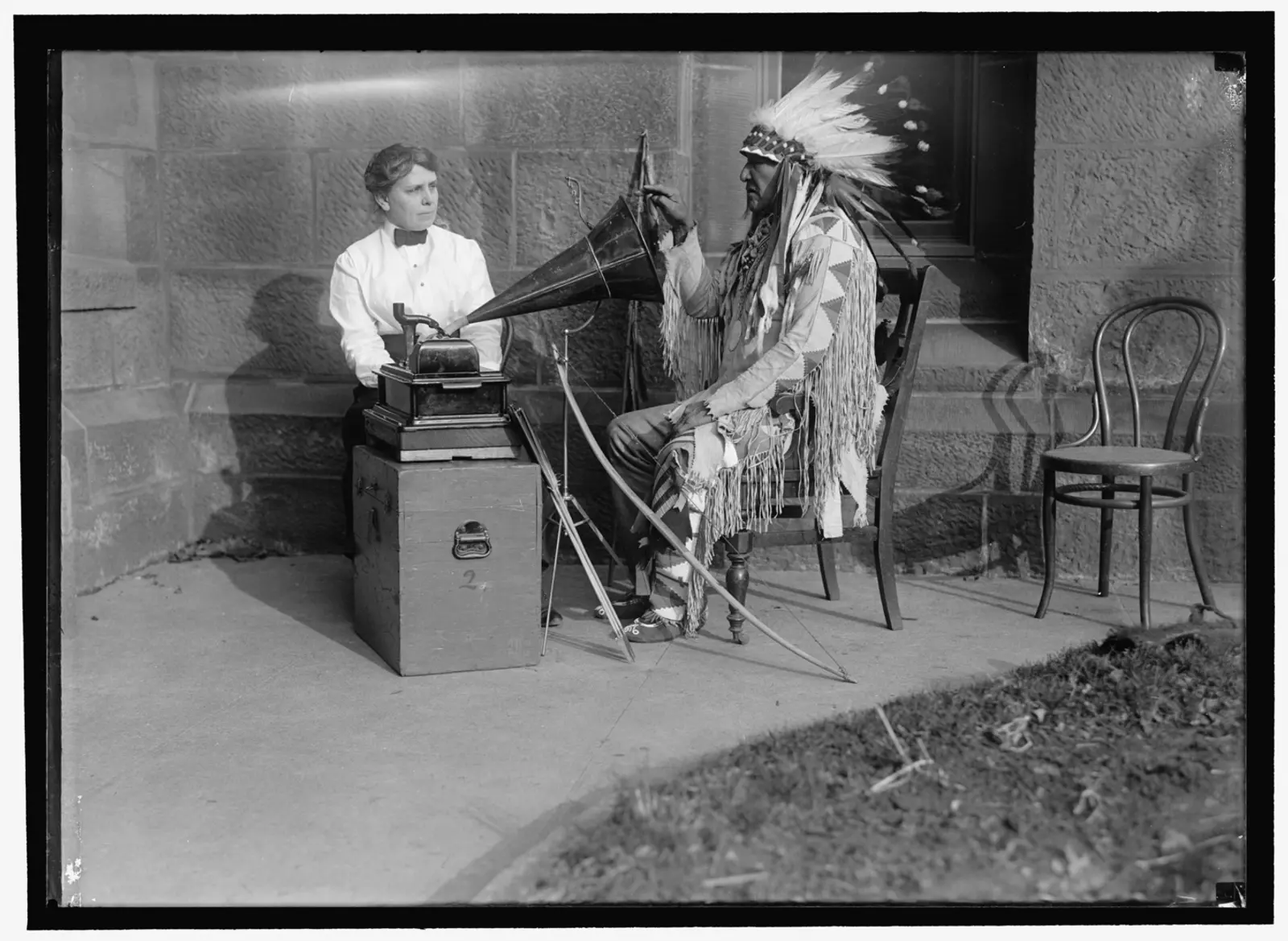
Figure 9. Frances Desmore recording the Blackfoot chief, Mountain Chief in 1916. Harris & Ewing, photographer, public domain.
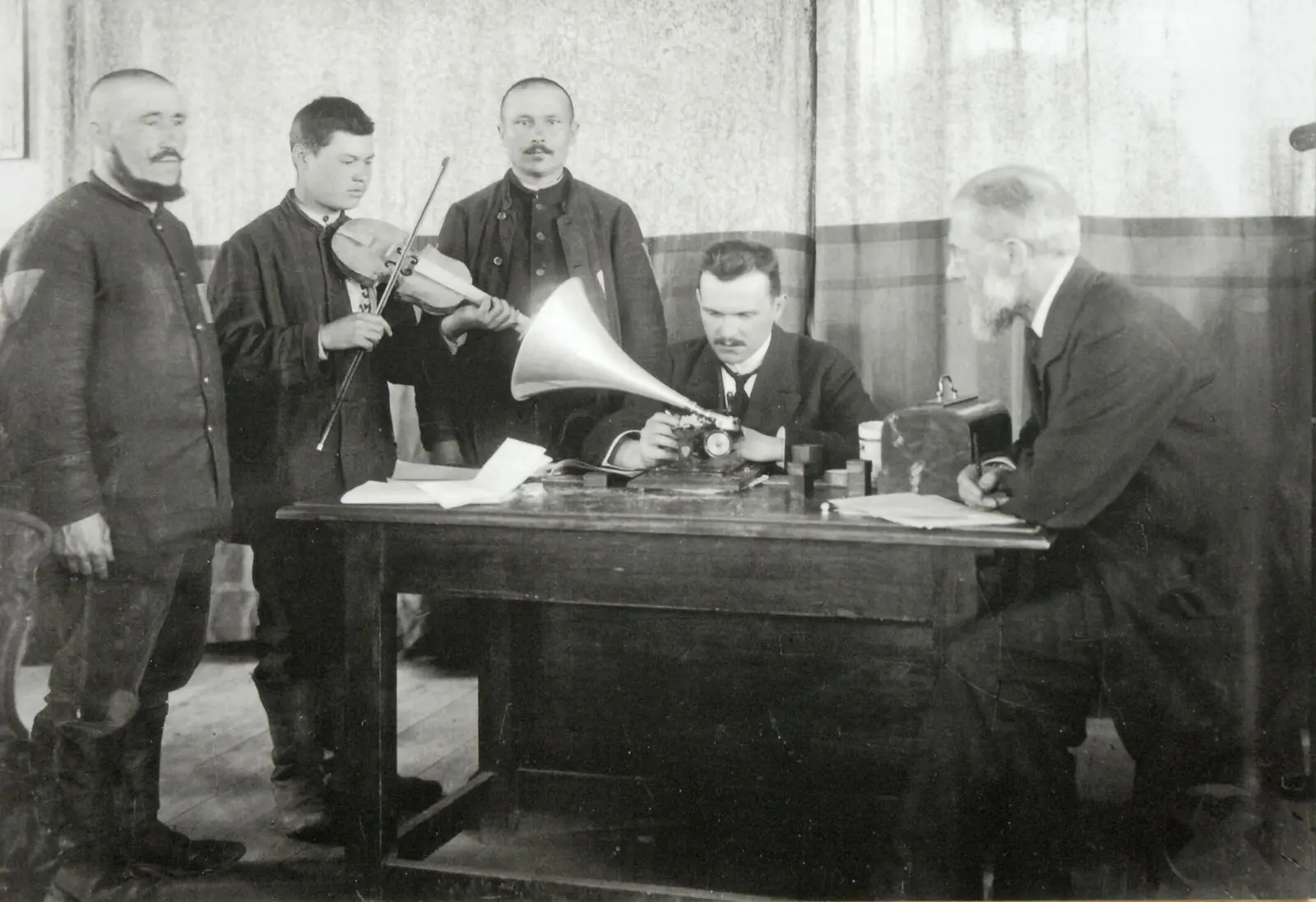
Because of their historical connection to archives, ethnographic recordings are often conceptualized in different terms than popular commercial recordings. As archival resources, they are considered to be apolitical historical documents preserving elements of sonic culture through the aid of an impartial technology. However, there exists a long-established relationship between researchers who create ethnographic recordings and commercial enterprises. For example, Hugh Tracey (1903–1977), who collected thousands of songs in Africa and established the International Library of African Music (ILAM), had an “unofficial relationship” with Gallo Records in South Africa. Tracey’s ethnographic work was supported by the record label in return for commercial opportunities and access to recordings (Lobley 2018). The song “Mbube,” recorded by South African musician Solomon Linda in 1939 and later popularized as “The Lion Sleeps Tonight” by The Tokens, is a poignant example of this relationship that existed between commercial recordings industries and archival projects that claim to strictly document and preserve (Example 3).
Example 3. “Mbube” by Solomon Linda’s Original Evening Birds. A 1939 popular recording from Gallo Records.
Likewise, American musicologist and folklorist John Lomax (1867–1948) scouted prisons in the southern United States in the early 20th century. He sought singers who performed “traditional” African American repertoire in a manner that would appeal to the musical sensibilities of cosmopolitan, largely white audiences. In 1933, Lomax, along with his son Alan (also a folklorist and ethnomusicologist; 1915–2002, Figure 11), encountered the singer Huddie Ledbetter (1888–1949) in a Louisiana prison. The Lomaxes recognized both the historical value of Ledbetter’s large repertoire of traditional songs as well as the commercial opportunity presented by an artist with great singing skills, and they marketed Ledbetter as an “authentic” bearer of African American folk culture. The two folklorists eventually brought Ledbetter to New York where they proceeded to make numerous recordings of the singer, which were released under the name Lead Belly. To better capitalize Ledbetter’s identity as a Black man and a criminal, John Lomax employed racist sensationalism in promotional materials, at times referring to Ledbetter as a “n-----” and a “killer” (Filene 2000, 59). This exploitative relationship between the Lomaxes and Ledbetter was not limited to their musical dealings: When not making recordings or performing concerts, the Lomaxes employed Ledbetter as a chauffeur and a domestic servant (Figures 12 and 13, Example 4).
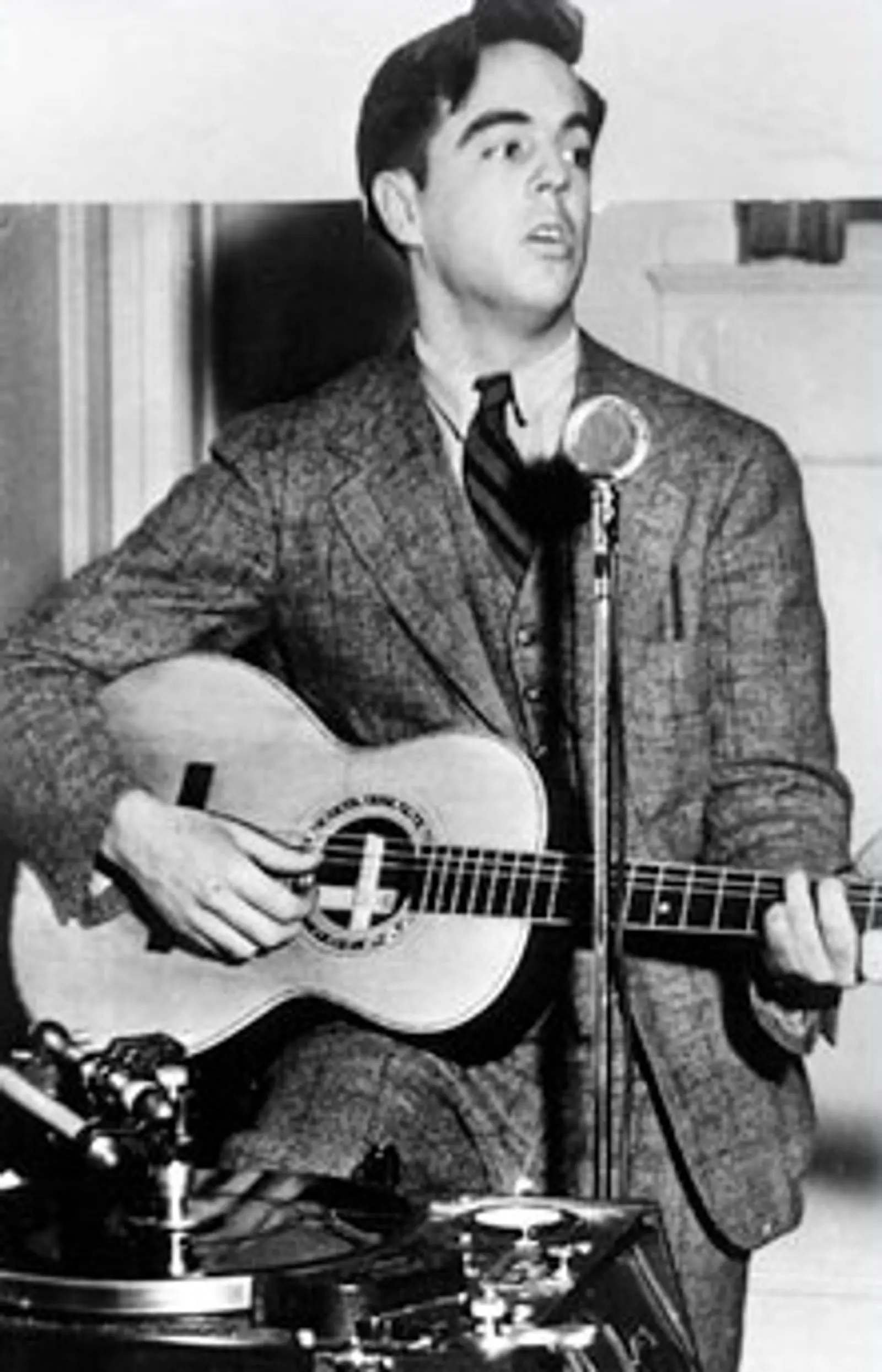
Figure 11. Alan Lomax with guitar. Unknown photographer, public domain.
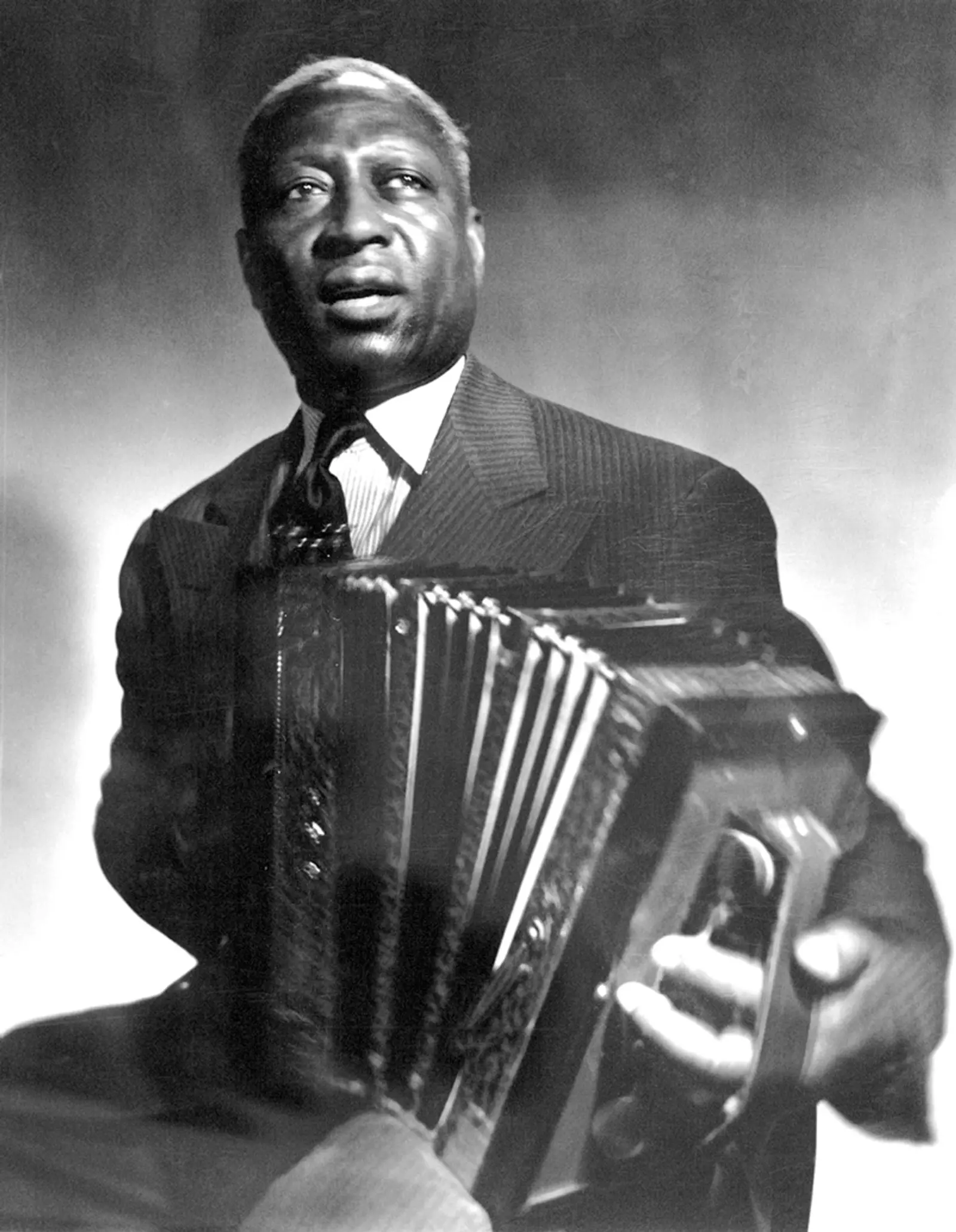
Figure 12. Huddie "Lead Belly" Ledbetter with accordion. Library of Congress, public domain.
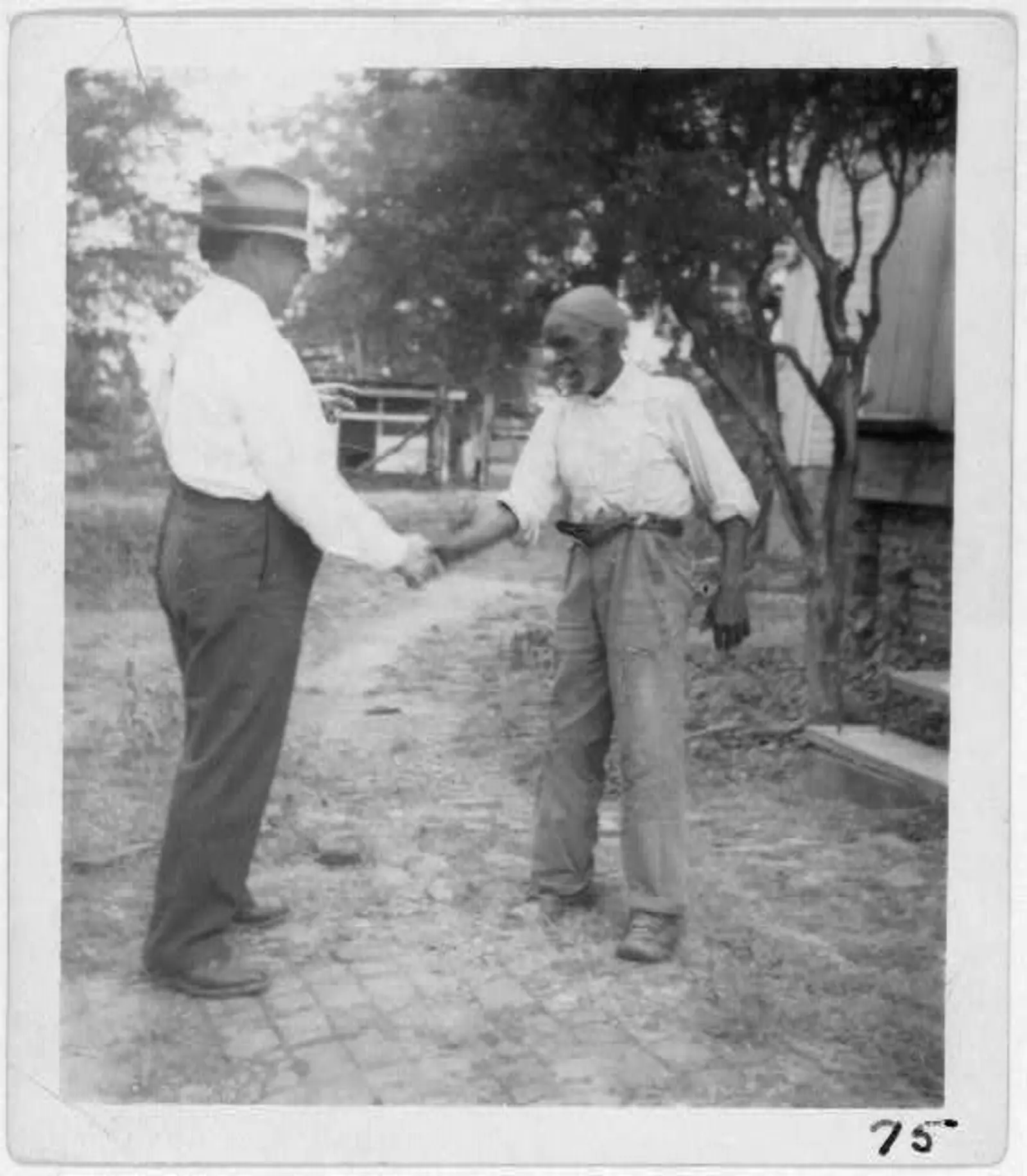
Figure 13. English: Folk song collector John A. Lomax, Sr., (1867-1948) shaking hands with "Uncle" Rich Brown, a singer of spirituals, at the home of Mrs. Julia Killingsworth near Sumterville, Alabama, USA. Ruby Terrill Lomax, public domain.
Example 4. “Where Did You Sleep Last Night?” performed by Lead Belly.
As these examples illustrate, the early history of recording technologies and ethnographic recording is fundamentally tied to the commercial and colonial legacies that shaped geopolitics in the late 19th and early 20th century. These technologies were largely used and created by American and European researchers within the frameworks of colonial practices, their accompanying forms of knowledge production, and in circumstances of asymmetrical relationships of power. These recordings constructed an acoustic representation of colonized people that reinforced existing, often racist, colonial imaginaries of Indigenous and African American cultures as well as other racialized groups across the Global South (Kalibani 2024). Additionally, the historical connection between ethnographers and the commercial recording industry demonstrates that what performers were recorded and what repertoire could be preserved was largely determined by their potential commercial value in the recording industry. Because of this, the early commercial role of sound recordings and sound recording technologies has profoundly shaped the way that such recordings and technologies continue to be used. The following section discusses the early commercial applications of sound recording technologies, the establishment and development of the commercial music industry, the progression from acoustic recording to electric recording, and how new technologies like the radio changed the way people listened to music in the 20th century.
Part 1 Discussion Questions
- Do you think Edison was influenced by his contemporaries, such as Charles Cros?
- How were the legacies of European colonialism perpetuated through sound recording technologies?
- What complications might arise from the early relationship between the commercial recording industry and ethnographic research?
Work Cited
Brady, Erika. 1999. In a Spiral Way: How Phonography Changed Ethnography. University Press of Mississippi.
Dumbrill, Richard J. 2005. Archaemusicology of the Ancient Near East. Yumiko Higano, illus. Trafford Publishing.
Feaster, Patrick. 2019. “Enigmatic Proofs: The Archiving of Edourad-Léon Scott de Martinville’s Phonautograms.” Technology and Culture 60(2S): S14-S38.
Filene, Benjamin. 2000. Romancing the Folk: Public Memory and American Roots Music. University of North Carolina Press.
Gelatt, Roland. 1977. The Fabulous Phonograph 1877-1977. Macmillan Publishing Co. Inc.
Kalibani, Mèhèza. 2024. “Prolegomena to the Study of Historical Sound Recordings from Colonial Contexts.” The World of Music (New Series) 13(2).
Lobley, Noel. 2018. “Sound Archives, Ethnography, and Sonic Heritage.” In The Routledge Companion to Popular Music History and Heritage, edited by Sarah Baker, Catherine Strong, Lauren Istvandity, Zelmarie Cantillon. Routledge.
Moore, Jerrold Northrop. 1999. Sound Revolutions: A Biography of Fred Gaisberg, Father of Commercial Sound Recording. Sanctuary Publishing Limited.
Mullender-Ross, Rob. 2019. “Picturing a Voice: Margaret Watts Hughes and the Eidophone.” The Public Domain Review, November 27, 2019.
Notes
Examples including a version of "Claire De Lune" sungy by Éduoard-Léon Scott de Martinville and others can be found at First Sounds project website.
Thomas Edison also invented a carbon transmitter for Alexander Graham Bell’s telephone in 1877.
Text of the interview between Thomas Edison and a reporter from the Evening Post is available at Phonozoic.net.
Digitized versions of Fewke’s 1890 Passamaquoddy phonograph recordings can be found here.
For more information on early ethnographic practices and archives, consult the World Music Textbook chapter “Music and Archives.”
This chapter has multiple parts
Go toPeter James Verdin
Peter James Verdin (PhD, Memorial University of Newfoundland) is a musician, ethnomusicologist,researcher, and recordist specializing in vernacular recording practices and the social aesthetics of recorded sound. He performs across North America in a number of musical groups (mainly on upright bass) and appears over a dozen releases of original music as both a performer and producer. His original recordings and compositions have been featured in outlets such as The Guardian, KLOF Mag, the CBC, and Minnesota Public Radio. When not conducting research or playing music, Peter can be found haunting local second hand book and records stores, roving the wilds with his partner and their dog, Florence, and recording sounds of the field.
